Why Large Tree Removal Requires Professional Equipment and Expertise
Removing a small tree from an open yard is one thing. Removing a 60-foot oak hanging over your house is something else entirely. Large tree removal is one of the most technically demanding and dangerous jobs in residential property work—and it's not something to take lightly or attempt without the right team behind it.
For homeowners in Jonesboro, AR, understanding what goes into a large tree removal helps you make smart decisions, ask the right questions, and avoid the costly mistakes that come from hiring underqualified crews. This guide walks through why large trees require specialized equipment, trained professionals, and careful planning to remove safely.
What Counts as a "Large Tree"?
The line between a standard and a large tree removal isn't just about height. A few factors push a job into the large category:
- Height of 50 feet or more
- Trunk diameter over 24 inches
- Wide-spreading canopy that affects neighboring properties
- Heavy, dense wood like oak, pecan, or hickory
- Multiple major limbs or co-dominant trunks
- Proximity to homes, power lines, or other structures
A 70-foot pine in an open backyard is technically large but relatively straightforward. The same pine ten feet from your roof becomes a much more complex job. Both factors—size and location—determine the level of expertise and equipment required.
Why Large Trees Are Inherently Dangerous
The risks involved in large tree removal aren't theoretical. Tree work consistently ranks among the most dangerous occupations in the country, and the larger the tree, the higher the stakes.
Key dangers include:
- Massive weight loads. A single large limb can weigh hundreds—or even thousands—of pounds. When that weight moves unexpectedly, it can cause serious injury or property damage in an instant.
- Unpredictable falling patterns. Large trees don't always fall where expected. Wind, internal decay, and structural defects can cause limbs and trunks to behave in unexpected ways.
- Working at extreme heights. Climbers and crews often work 40, 60, or even 80 feet above the ground. A single mistake at that height can be fatal.
- Chainsaw hazards. Larger trees require larger saws, which are heavier, harder to control, and more dangerous to operate.
- Stored tension. Limbs under tension can spring back violently when cut. Recognizing and managing this tension takes training and experience.
- Power line proximity. Many large residential trees are near electrical lines, adding the risk of electrocution to an already dangerous job.
These aren't hypothetical concerns. Every year, untrained workers and well-meaning homeowners are seriously injured—or killed—attempting large tree work without the right qualifications.
The Specialized Equipment Large Tree Removal Requires
You can't remove a 60-foot oak with the same tools you'd use to trim a hedge. Professional tree services invest heavily in specialized equipment for a reason: it's the only way to do the job safely and efficiently.
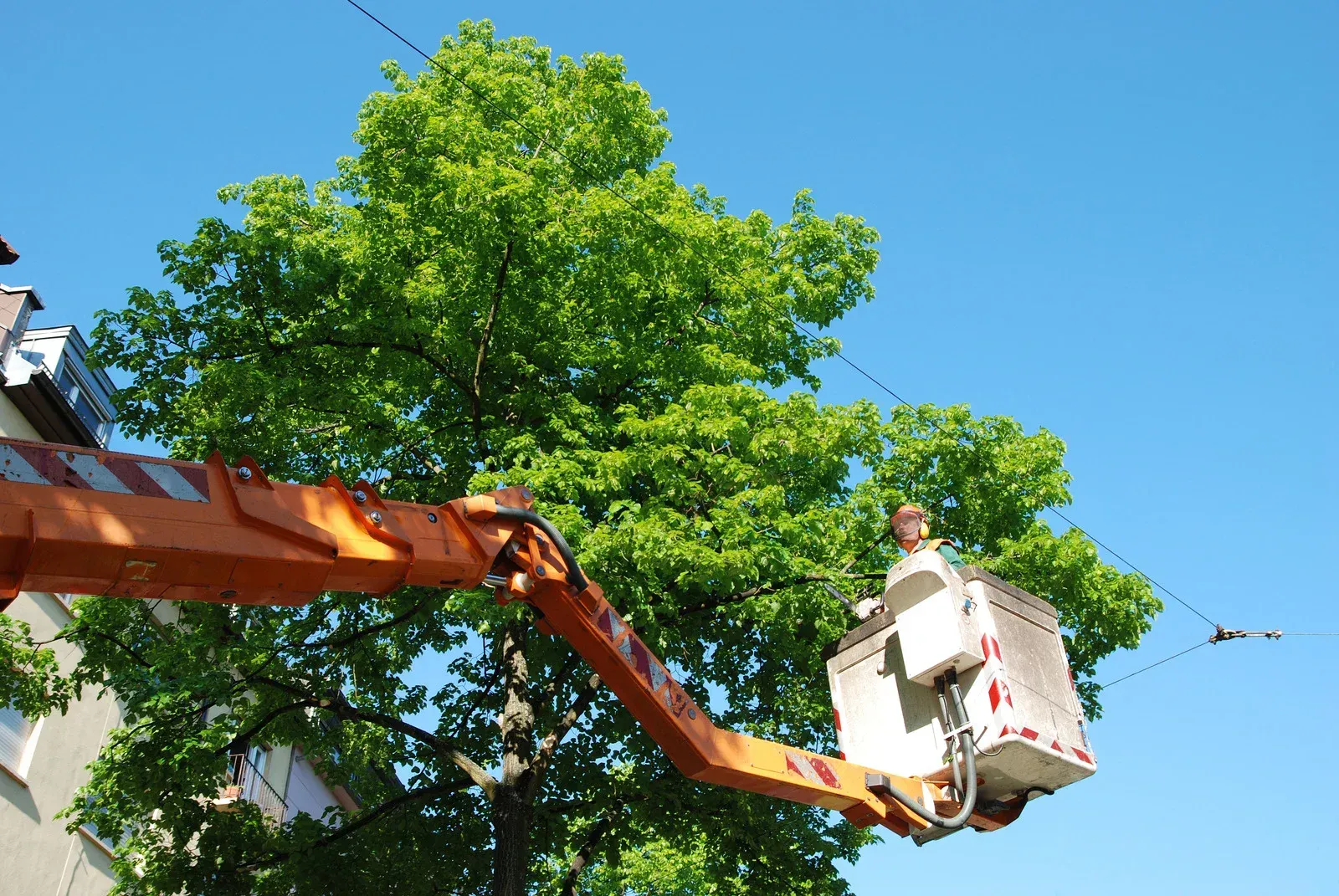
Bucket Trucks
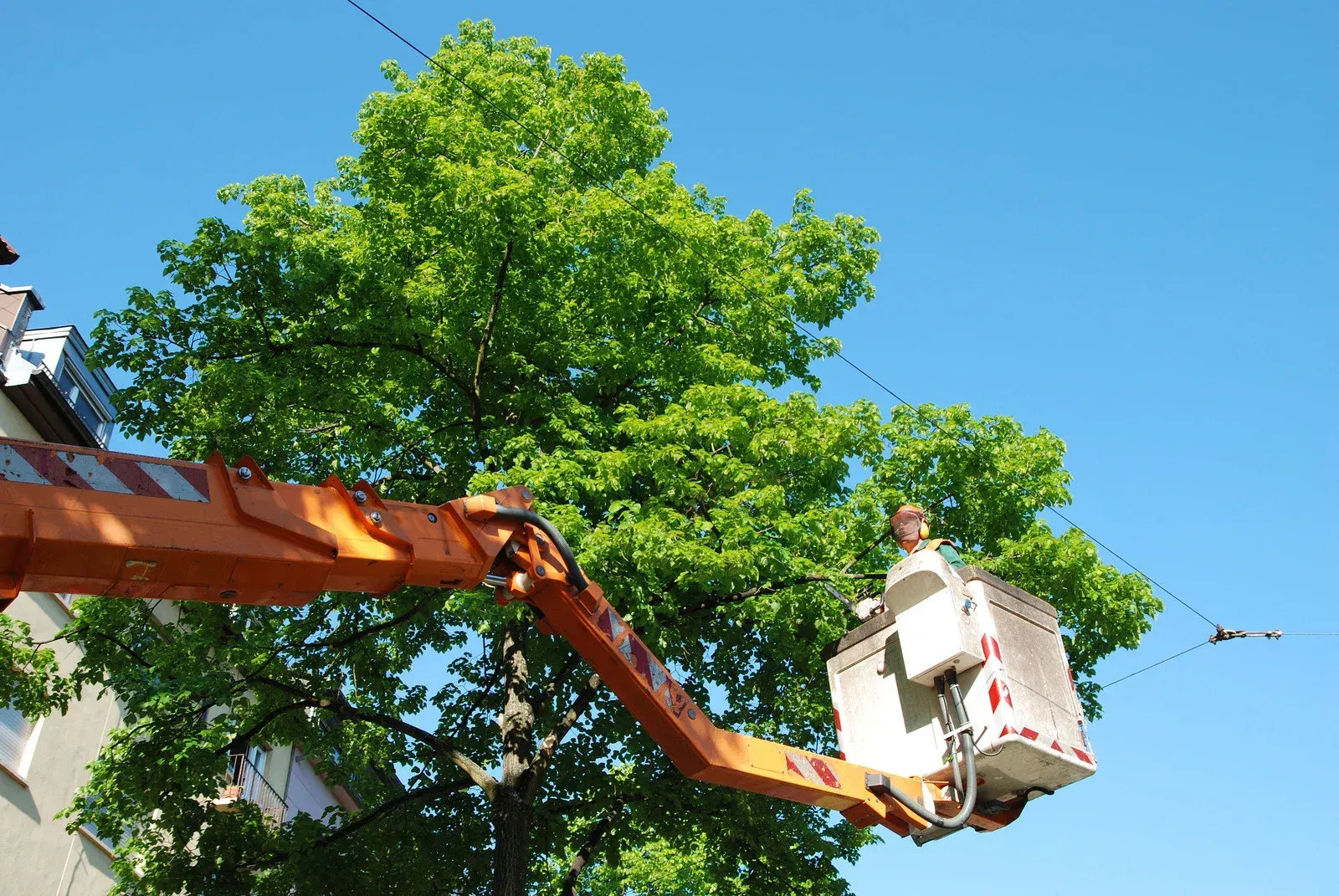
Bucket trucks lift crew members high into the canopy with a stable, controlled platform. They allow precision cuts on upper limbs without the risks of free-climbing.
For trees too tall or too far from a driveway for a bucket truck, climbing is the alternative—but bucket trucks are faster, safer, and more comfortable for the crew when access permits.
Cranes
For very large or hazardous trees, cranes are sometimes the only safe option. A crane can:
- Lift large sections directly off the tree
- Lower heavy pieces away from structures
- Eliminate the need for risky controlled drops
- Make complex removals possible that would otherwise require dismantling piece by piece
Crane-assisted tree removal is more expensive, but for the right job, it's the difference between a clean, controlled removal and a damaged home.
Professional-Grade Chainsaws
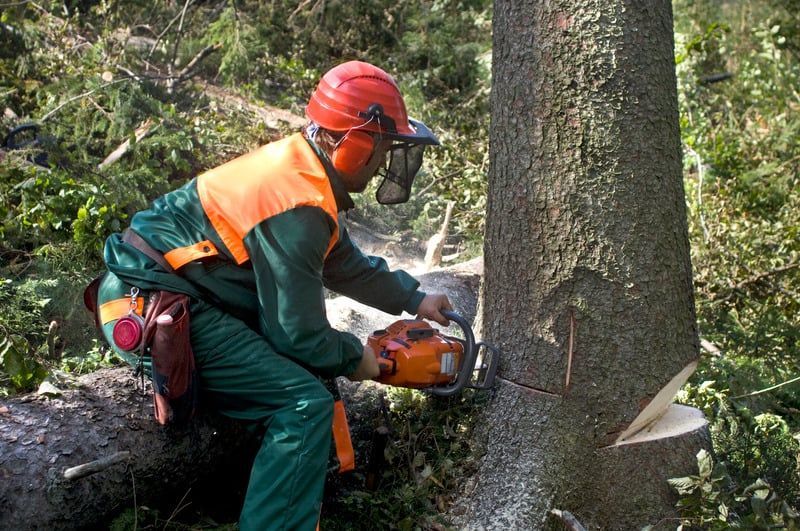
Tree services use commercial chainsaws designed for heavy-duty cutting—often with bars 24 inches or longer. These saws are far more powerful (and dangerous) than anything sold at a home improvement store.
A crew typically carries several chainsaws of different sizes for different tasks, from limbing to bucking the trunk into sections.
Rigging Systems
Ropes, blocks, pulleys, and friction devices allow crews to lower heavy limbs in a controlled descent. Proper rigging is what makes it possible to remove a tree in tight spaces without dropping pieces directly onto roofs, fences, or landscaping.
Rigging is a skill set in itself. Knowing how to set anchor points, calculate loads, and manage friction is something that takes years of training and field experience.
Wood Chippers
Large trees produce massive amounts of debris. Professional-grade wood chippers can process limbs up to 12 inches or more in diameter, turning what could be days of cleanup into a single afternoon.
Without a commercial chipper, debris removal alone can take longer than the tree work itself.
Stump Grinders
Once the tree is down, the stump remains. Commercial stump grinders can chew through stumps several feet across, grinding them down below ground level in a fraction of the time it would take with hand tools.
Climbing and Safety Gear
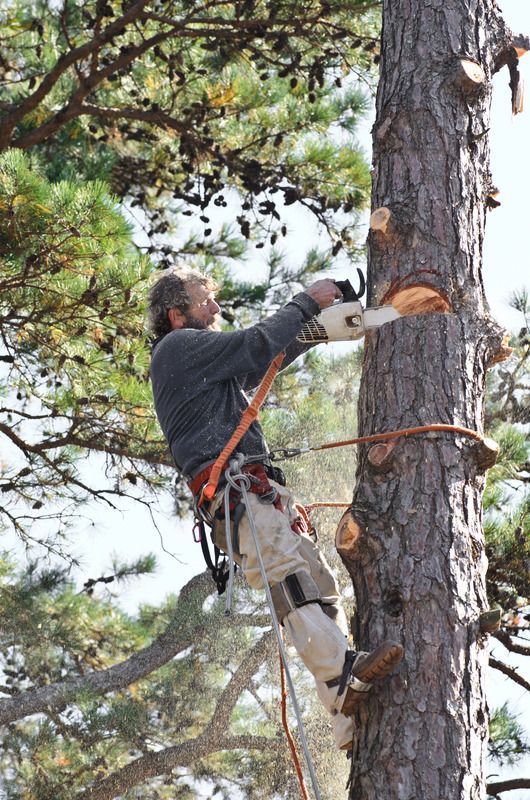
Professional climbing harnesses, helmets, eye protection, chainsaw chaps, climbing spurs, throwlines, and lanyards all play a role in keeping crews safe. This gear is rated, inspected, and replaced regularly—not the kind of thing a homeowner can casually pick up.
The Expertise Behind Every Cut
Equipment is only part of the equation. The real difference between a safe large tree removal and a disaster is the experience of the crew handling the work.
Reading the Tree
Before a single cut is made, an experienced arborist reads the tree like a book. They look at:
- The natural lean and weight distribution
- Signs of internal decay or weakness
- Branch unions and how they're attached
- Root condition and stability
- Wind direction and weather conditions
This pre-work assessment determines the entire removal strategy. Get it wrong, and the consequences can be severe.
Knowing Where to Cut
Every cut on a tree has a purpose. Cuts are made in a specific order, at specific angles, with specific techniques. Notches, back cuts, hinge wood, and bore cuts each play a role in controlling how the tree—or each section of it—comes down.
Inexperienced crews often skip steps, use the wrong cuts, or don't account for tension and compression. The result is unpredictable falls, kickback, and accidents.
Managing Rigging Loads
When lowering a large limb with rigging, the crew has to know how much weight the system can handle, where to set the anchor, how to manage friction, and how to communicate clearly with the climber and ground team. A miscalculation can mean a limb falling uncontrolled or damaging anchor points.
Hazard Tree Assessment
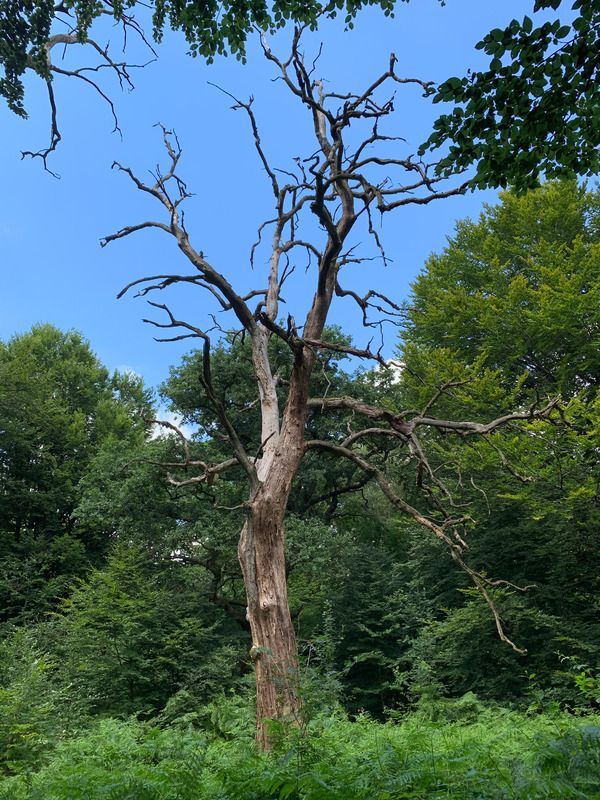
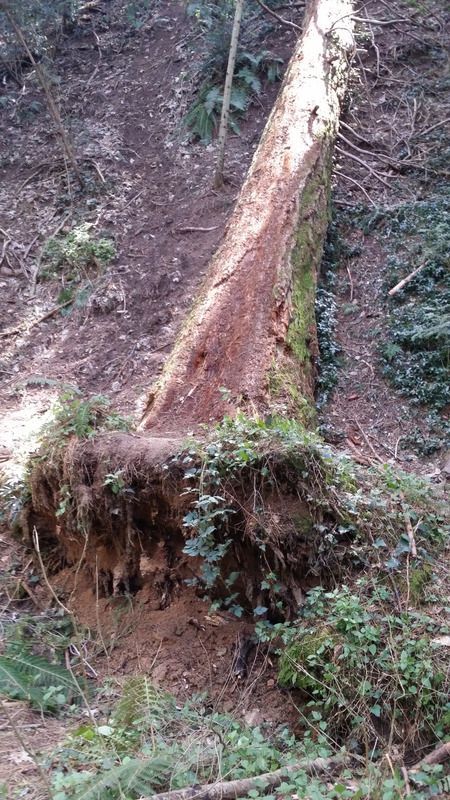
Damaged, dead, or partially fallen trees are even more dangerous than healthy ones. Stored tension, internal cracks, and unstable root systems mean the tree could move unpredictably at any time. Hazard trees require specialized techniques—and sometimes specialized equipment like cranes—to remove safely.
Working Near Power Lines
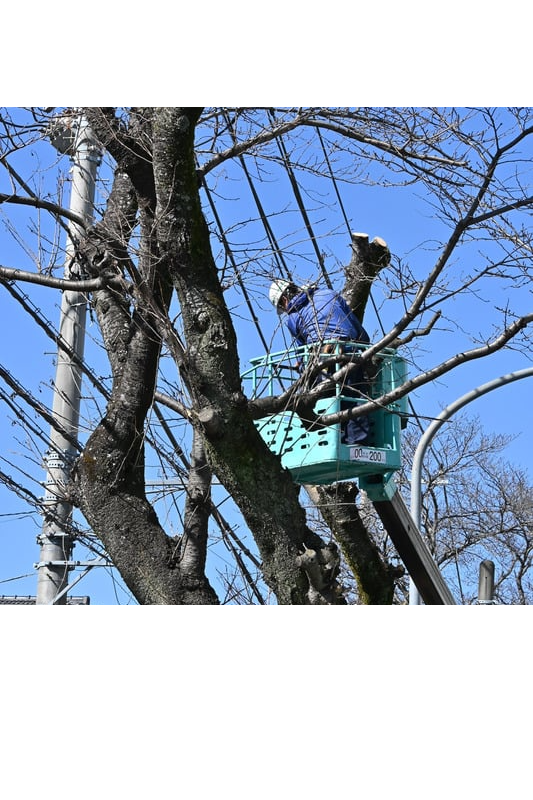
Removing trees near power lines is its own specialty. Only trained professionals with proper certifications and coordination with utility companies should attempt this work. Improper contact with energized lines is often fatal.
The Real Cost of DIY or Underqualified Crews
Some homeowners look at large tree removal estimates and assume they can save money by handling it themselves—or by hiring a cheaper, less qualified crew. In almost every case, this decision ends up costing more, not less.
DIY attempts can result in:
- Serious or fatal injuries
- Tree falling on your home, car, or neighbor's property
- Damage to power lines and utility outages
- Liability for property damage or injuries to others
- The same removal job costing more because professionals have to clean up the mess
Underqualified or uninsured crews can result in:
- Property damage with no insurance to cover it
- Worker injuries that you may be held liable for
- Improperly cut trees that fall in the wrong direction
- Damaged landscaping, sidewalks, or driveways
- Crews abandoning the job when problems arise
A reputable professional crew costs more upfront because they're paying for trained workers, proper equipment, insurance coverage, and the experience to do the job right. That investment pays for itself many times over compared to the alternative.
What to Look for in a Large Tree Removal Service
If you have a large tree that needs to come down, the company you hire matters more than the price. Here's what separates professional services from the rest.
Proper Insurance
Liability insurance and workers' compensation are non-negotiable. Tree work is dangerous, and if a worker is injured or your property is damaged, you need to know the company can cover it.
Ask for current proof of insurance—not just a verbal assurance.
Experienced Crew
Experience with large trees specifically is important. Removing small backyard trees is a very different skill set from dismantling a 70-foot oak over a house.
Ask how long the company has been in business and whether they have experience with similar jobs.
Right Equipment
A company should have the equipment for the job—or be able to bring in what's needed. For complex removals, that may include cranes or specialized rigging.
If a company shows up with just a pickup truck and a chainsaw to handle a large tree, that's a warning sign.
Certified Arborists
Companies with certified arborists on staff bring deeper training in tree biology, safety standards, and proper techniques. Certification isn't required to remove a tree, but it's a strong indicator of professionalism.
Clear Communication
A professional company will walk you through the plan, explain how they'll handle the job, and answer your questions clearly. If you can't get straight answers about how the work will be done, look elsewhere.
Written Estimates and Contracts
Everything should be in writing—scope of work, price, timeline, payment terms, and what's included. Verbal-only agreements lead to surprises and disputes.
References and Reviews
Look at online reviews, ask for references, and check the company's reputation in the Jonesboro area. Established local companies have track records you can verify.
Why Local Experience Matters in Jonesboro
Tree work in Jonesboro comes with specific local factors that experienced crews understand:
- Common tree species like oak, pine, hickory, and pecan all behave differently when being removed
- Soil conditions in northeast Arkansas affect root stability, especially after heavy rain
- Storm patterns including thunderstorms, high winds, and occasional ice events shape tree health and damage risk
- Local permitting and HOA requirements that may apply to your removal
- Neighborhood considerations like tight access, narrow driveways, and proximity to neighbors
Local companies know what to expect from Jonesboro trees and properties. That knowledge translates into smoother, safer removals.
How Jonesboro Tree Service Pros Handles Large Tree Removal
At Jonesboro Tree Service Pros, we specialize in safe, professional removal of large and complex trees. We bring the equipment, experience, and care that big jobs require.
Our large tree removal services include:
- Free on-site evaluations to plan the safest removal approach
- Bucket trucks and crane access for complex jobs
- Experienced climbers for trees requiring sectional removal
- Proper rigging to protect homes, fences, and landscaping
- Full insurance coverage for your peace of mind
- Complete cleanup and debris removal included as standard
- Optional stump grinding at bundled rates
Whether your tree is dead, damaged, or simply too close to your home, our team has the tools and expertise to remove it safely.
Final Thoughts
Large tree removal isn't a job to take lightly. It requires specialized equipment, trained professionals, and careful planning—all of which exist for good reasons. The trees themselves are heavy, unpredictable, and dangerous to handle. The work involves heights, power tools, and surrounding structures that don't tolerate mistakes.
When you hire the right company, large tree removal goes smoothly. The tree comes down safely, your property is protected, and the cleanup is handled completely. When you cut corners on equipment, insurance, or expertise, the risks multiply quickly.
If you have a large tree on your Jonesboro property that needs to come down, contact Jonesboro Tree Service Pros for a free, no-obligation evaluation. We'll inspect the tree, assess the safest approach, and provide a clear quote so you know exactly what to expect from a job done right.