What to Expect During a Professional Tree Removal in Jonesboro, AR
Removing a tree from your property is a bigger job than most homeowners realize. From the initial inspection to the final cleanup, a safe and professional tree removal involves careful planning, the right equipment, and an experienced crew. If you've never hired a tree service before, the process can feel a little intimidating—especially when the tree is large, leaning, or close to your home.
The good news is that working with a professional tree removal company in Jonesboro, AR doesn't have to be stressful. When you know what to expect at each step, you can make informed decisions, ask the right questions, and feel confident the job will be handled the right way. Here's a complete walkthrough of what a professional tree removal looks like from start to finish.
Step 1: The Initial Consultation and Estimate
Every tree removal starts with an on-site evaluation. A reputable tree service won't quote a real price over the phone for anything beyond the smallest jobs. Tree removal involves too many variables for a quote to be accurate without seeing the tree in person.
During the initial consultation, the tree service team will:
- Inspect the tree's size, condition, and species
- Evaluate the surrounding area for obstacles
- Check for power lines, structures, and landscaping
- Discuss your goals and any concerns you have
- Provide a written estimate detailing the scope of work
This is also your opportunity to ask questions. Confirm that the company is insured, ask about their experience with similar jobs, and find out exactly what's included in the quote—cleanup, stump grinding, debris removal, and any potential extra charges.
A trustworthy tree service in Jonesboro will take the time to walk you through their plan and explain why certain steps are necessary.
Step 2: Planning and Permits
Once you accept the estimate, the company moves into the planning phase. For most residential tree removals, planning is straightforward. But for larger or more complex jobs, additional steps may be needed.
This phase typically includes:
- Scheduling the job based on weather and crew availability
- Reviewing access points for equipment
- Identifying the safest direction for the tree to fall
- Coordinating with utility companies if power lines are involved
- Securing any permits required by local regulations
Some neighborhoods in Jonesboro may have HOA rules or city ordinances regarding tree removal. A professional tree service should be familiar with these requirements and help guide you through the process.
Step 3: Preparing the Work Area
On the day of removal, the crew arrives with the necessary equipment and prepares the area before any cutting begins. This step is critical for safety and damage prevention.
Site preparation usually includes:
- Setting up safety zones around the work area
- Protecting nearby plants, gardens, and landscaping
- Moving outdoor furniture or vehicles if needed
- Laying down protective materials to prevent lawn damage
- Positioning equipment such as trucks, chippers, and rigging
If the tree is near your home or other structures, expect the crew to take extra time at this stage. Proper preparation is what separates a smooth, damage-free removal from a job that creates new problems.
A professional crew will also communicate with you about the work plan, any expected noise or disruption, and how long the job is likely to take.
Step 4: The Removal Process
This is where the actual work happens. The exact technique used depends on the tree's size, condition, and location. There are two main approaches to tree removal:
Felling the Tree in One Piece
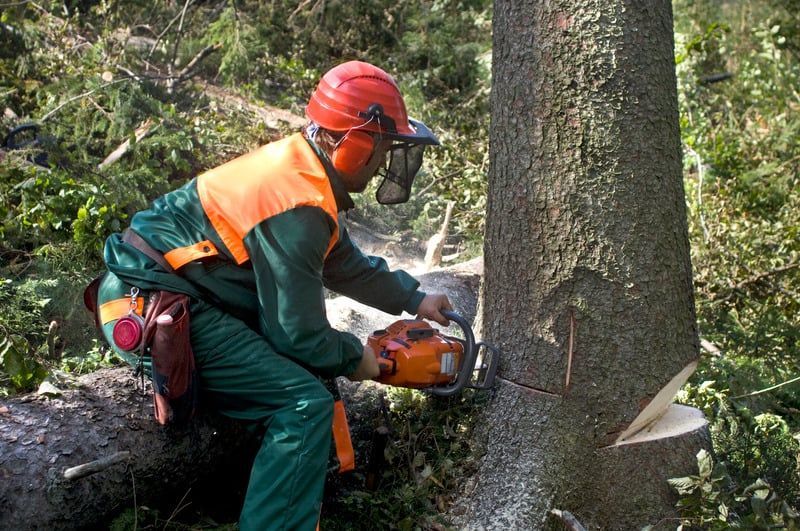
If the tree is in an open area with plenty of clearance, the crew may fell it in a single controlled drop. This is the fastest method, but it requires:
- Enough space for the tree to fall safely
- A clear understanding of the tree's natural lean
- Careful directional cuts
- No structures, fences, or landscaping in the fall path
When done correctly, felling is efficient and safe. But it's only an option in the right conditions.
Sectional Removal
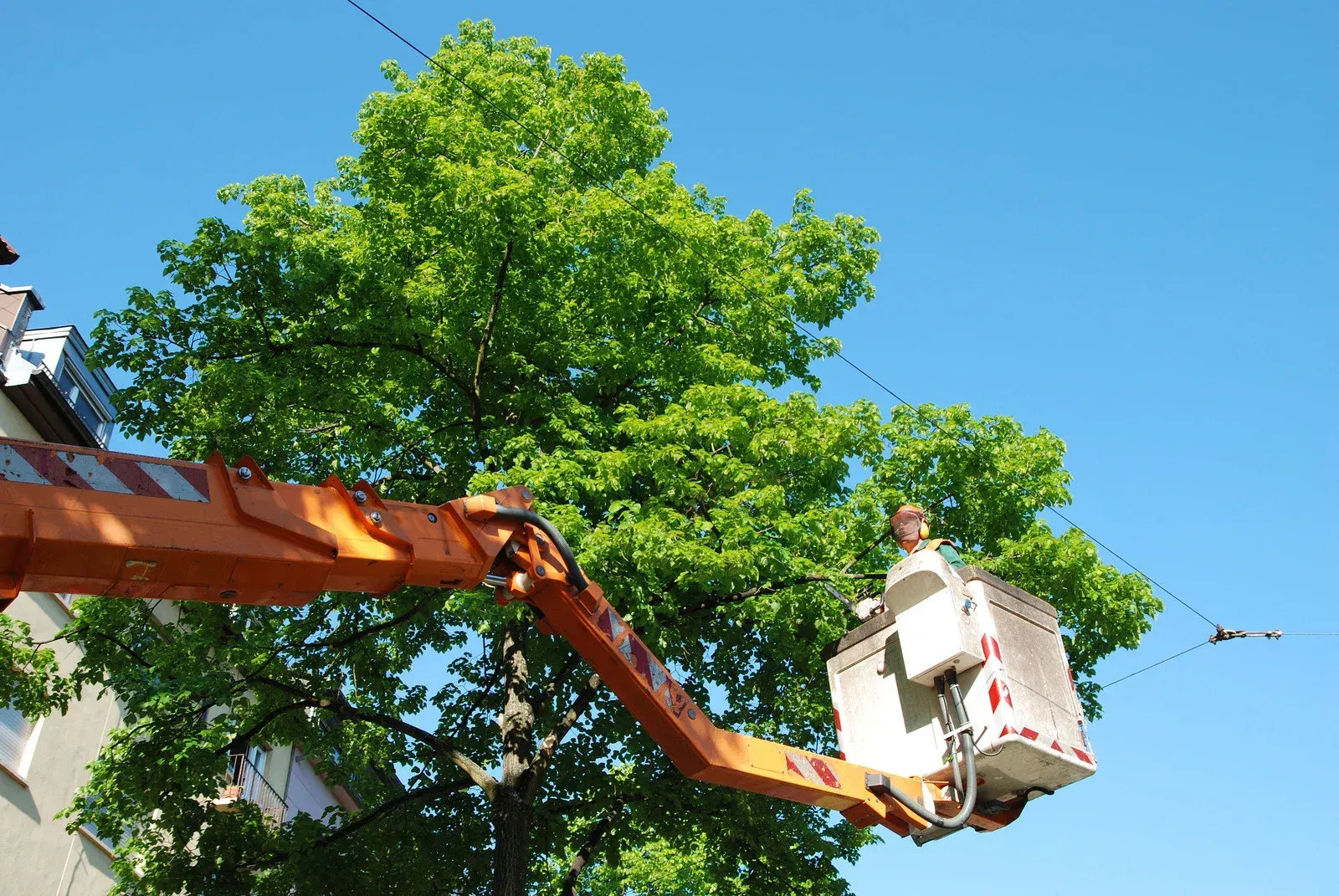
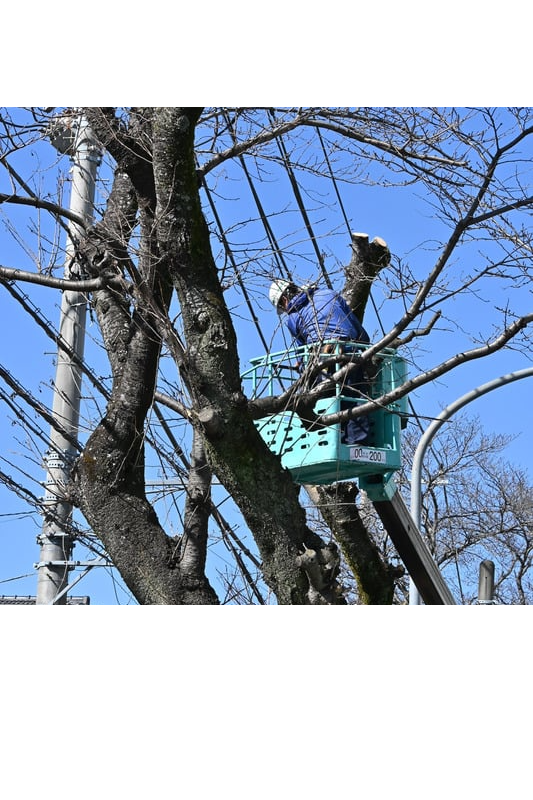
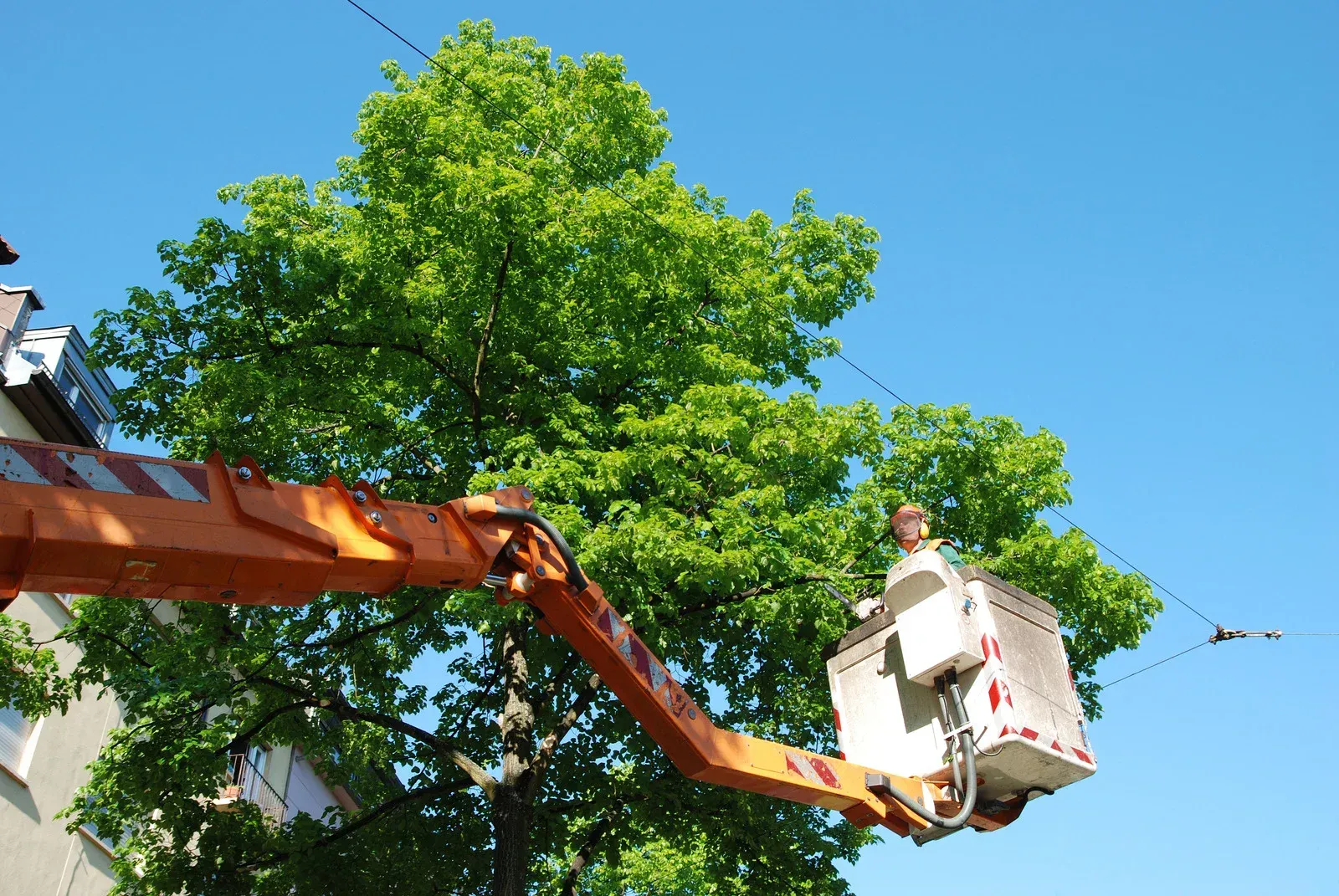
For trees close to homes, power lines, or other obstacles, sectional removal is the standard approach. The crew climbs the tree or uses a bucket truck to remove the tree piece by piece, working from the top down.
Sectional removal involves:
- Climbing the tree with ropes and safety gear
- Cutting limbs into manageable sections
- Lowering each section with ropes to control the descent
- Removing the trunk in segments after the canopy is cleared
- Using cranes for very large or complex jobs
Sectional removal takes longer than felling, but it's the only safe option when there's no room for error. A skilled crew can dismantle even massive trees without damaging anything around them.
Step 5: Trunk Removal and Final Cuts
Once the canopy is cleared, the crew focuses on the trunk. Depending on the tree's location, they may:
- Cut the trunk into rounds for easy hauling
- Use a crane to lift large sections directly onto a truck
- Lower the trunk in controlled segments using rigging
The trunk is typically the heaviest and most challenging part of the removal. This is where having the right equipment really matters. Underpowered tools or inexperienced crews can struggle, take longer, and increase the risk of damage.
Step 6: Stump Handling
Once the tree is on the ground, you'll need to decide what to do with the stump. Most basic tree removals leave the stump in place unless you specifically request its removal. There are three common options:
Leave the stump. This is the cheapest option but leaves a visible eyesore that can attract pests, sprout new growth, and make lawn care difficult.
Stump grinding. A grinding machine chews the stump down below ground level. This is the most popular option because it's efficient and cost-effective. The remaining wood chips can be used as mulch or hauled away.
Full stump removal. The entire stump and root ball are excavated. This is more expensive and disruptive but leaves the area completely clear for replanting or construction.
Discuss stump options during your initial estimate so you're not surprised by additional costs later. Most professional services offer stump grinding as a bundled add-on at a discounted rate.
Step 7: Cleanup and Debris Removal
A professional tree removal isn't complete until the work area is cleaned up. A quality tree service will leave your property looking better than when they arrived—or at least as clean as before the work started.
Cleanup typically includes:
- Removing all branches, limbs, and trunk sections
- Running smaller debris through a wood chipper
- Hauling away the wood unless you've requested to keep it
- Raking the area and removing leaves and small debris
- Inspecting for any missed pieces or damage
If you'd like to keep some of the wood for firewood, mulch, or future projects, mention this before the job starts. Most crews are happy to leave specific pieces behind if you request it in advance.
Step 8: Final Walkthrough
Before the crew leaves, a good tree service will do a final walkthrough with you. This is your chance to:
- Inspect the work area
- Confirm all debris has been cleared
- Check for any damage to surrounding property
- Address any remaining questions or concerns
- Confirm payment terms and any follow-up services
If stump grinding or additional services are scheduled for a later date, the crew should clearly communicate the timeline. Don't hesitate to speak up if anything isn't to your satisfaction—reputable companies stand by their work.
How Long Does a Tree Removal Take?
Timing varies based on the size and complexity of the job. Here's a rough breakdown for typical residential removals in Jonesboro:
- Small trees (under 30 feet): 1–3 hours
- Medium trees (30–60 feet): 3–6 hours
- Large trees (60+ feet): Half-day to full day
- Complex removals (cranes, tight spaces, hazards): Full day or multi-day
Weather, accessibility, and crew size all affect timing. A well-equipped, experienced team works efficiently without rushing safety steps.
Safety Considerations Throughout the Process
Tree removal is consistently ranked among the most dangerous types of outdoor work. Falling limbs, chainsaw injuries, and equipment accidents are real risks that only trained professionals are equipped to handle.
A reputable Jonesboro tree service will:
- Carry full liability and workers' comp insurance
- Use proper personal protective equipment
- Follow industry safety standards
- Maintain and inspect all equipment regularly
- Train crews in rigging, climbing, and emergency response
If a tree service can't show proof of insurance or seems casual about safety procedures, that's a major warning sign. Homeowners can be held liable for accidents that happen on their property when working with uninsured contractors.
Why Hiring a Professional Matters
DIY tree removal might seem like a way to save money, but the risks far outweigh the savings. Every year, homeowners are seriously injured—or worse—attempting to remove trees themselves. Beyond the personal risk, improper removal can damage homes, power lines, vehicles, and neighboring properties.
A professional tree service brings:
- Years of hands-on experience
- Specialized climbing and cutting equipment
- Insurance protection for everyone involved
- Knowledge of local conditions and tree species
- Efficient cleanup and disposal
The cost of a professional removal is almost always less than the cost of repairing damage from a DIY job gone wrong.
How Jonesboro Tree Service Pros Handles Every Job
At Jonesboro Tree Service Pros, we treat every removal with the care and attention it deserves. From the first call to the final cleanup, our process is designed to be straightforward, transparent, and stress-free.
What you can expect when you work with us:
- Free, on-site estimates with detailed written quotes
- Experienced, insured crews with the right equipment for any job
- Clear communication throughout the entire process
- Safe, professional removal using industry-standard techniques
- Complete cleanup so your property is left in great shape
- Optional stump grinding at bundled rates
Whether you're dealing with a single problem tree or planning a larger project, we'll walk you through every step and make sure the job is done right.
Final Thoughts
Professional tree removal is a multi-step process that requires planning, expertise, and the right equipment. Understanding what to expect helps you choose the right company, ask the right questions, and feel confident from start to finish.
The key is working with an experienced, insured tree service that takes safety seriously and communicates clearly throughout the job. When the process is handled correctly, removing a tree from your Jonesboro property is straightforward and stress-free.
If you have a tree that needs to come down, contact Jonesboro Tree Service Pros for a free, no-obligation estimate. Our team will inspect the tree, explain your options, and provide a clear quote so you know exactly what to expect—every step of the way.