Signs You Need Tree Removal in Jonesboro, AR
Trees add value, shade, and character to properties throughout Jonesboro, AR. From established neighborhoods to newer developments, healthy trees can improve curb appeal and create a more comfortable outdoor space. However, not every tree remains safe or beneficial over time. Weather conditions, natural aging, and structural issues can turn a once-beautiful tree into a serious risk.
Knowing when a tree needs to be removed isn’t always obvious, especially if the damage isn’t immediately visible. Ignoring the warning signs can lead to property damage, safety hazards, and costly repairs. Below are some of the most common signs that it may be time to consider professional tree removal in Jonesboro.
1. The Tree Is Leaning More Than Usual
A slight lean in a tree can be normal, especially if it has grown that way over time. However, a sudden or increasing lean is often a sign of structural instability. This is especially important in Jonesboro, where storms and high winds can weaken root systems and shift trees unexpectedly.
If a tree begins leaning toward your home, driveway, or power lines, it should be evaluated as soon as possible. A leaning tree can fall without much warning, particularly after heavy rain when the soil becomes saturated.
2. Large Dead or Hanging Branches
Dead branches are more than just an eyesore—they can become dangerous if they fall. Large limbs that hang over your roof, vehicles, or walkways pose a risk to anyone below. In many cases, these branches can break off during even mild wind or storms.
In Jonesboro’s storm-prone environment, removing or addressing dead limbs early can help prevent bigger problems. If a tree has multiple large dead branches, it may be a sign that the entire tree is declining and could require removal.
3. Visible Cracks or Splits in the Trunk
The trunk is the main support system of a tree. When you notice deep cracks, splits, or separations in the trunk, it often indicates structural weakness. These issues can worsen over time and increase the likelihood of the tree failing.
Cracks that extend deep into the trunk or run vertically are especially concerning. In some cases, a split trunk can lead to the tree breaking apart, which can cause significant damage to nearby structures.
4. The Tree Is Too Close to Structures
Trees that grow too close to homes, garages, fences, or power lines can create long-term problems. As the tree continues to grow, its branches and roots may begin to interfere with these structures.
Overhanging limbs can damage roofs, clog gutters, and scrape against siding. Roots can lift sidewalks, crack driveways, and even impact foundations. In situations where trimming is no longer enough to manage the growth, removal may be the safest and most practical option.
5. Storm Damage Has Compromised the Tree
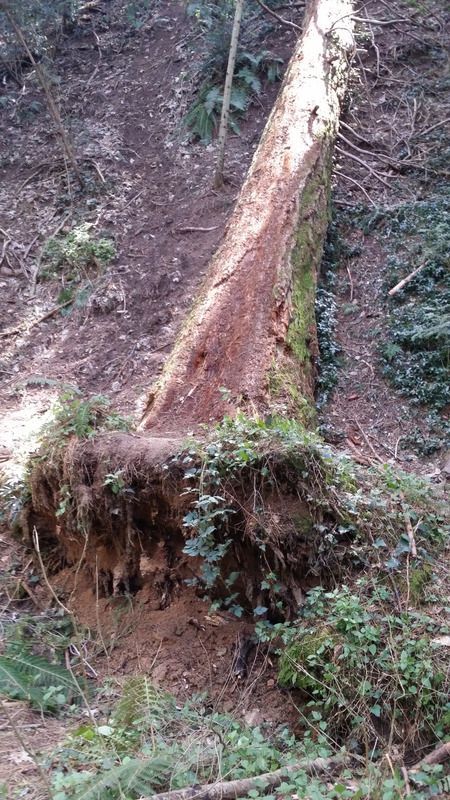
Storms are a major factor in tree damage across Jonesboro. High winds, lightning, and heavy rain can weaken trees or cause immediate breakage. Even if a tree doesn’t fall right away, it may have hidden damage that makes it unstable.
Common signs of storm damage include:
- Broken or hanging branches
- A sudden lean
- Uprooted or exposed roots
- Missing sections of the canopy
If a tree has been significantly impacted by a storm, it’s important to act quickly. Delaying removal can increase the risk of the tree falling later, especially during the next round of bad weather.
6. The Tree Is Dead or Dying
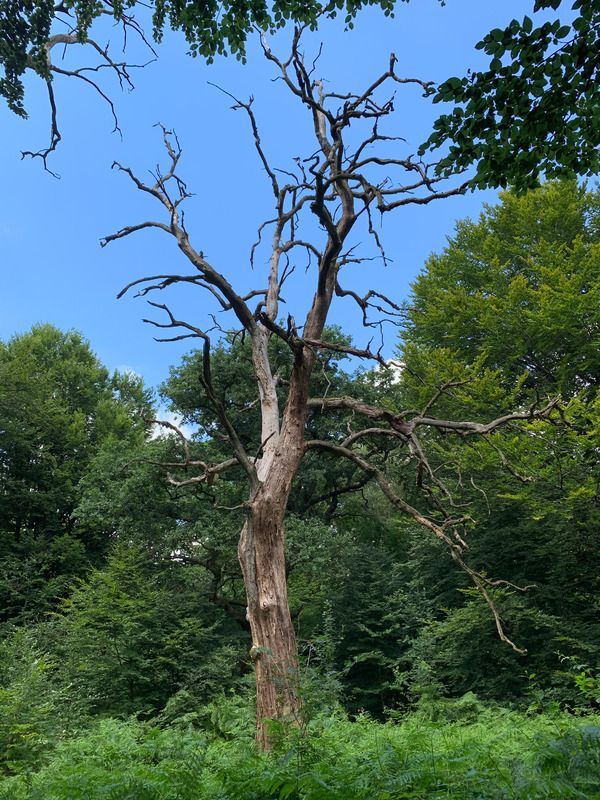
A dead tree is one of the clearest signs that removal is necessary. Without living tissue, the tree becomes dry and brittle, making it more likely to break or fall. Dead trees also lose their ability to withstand wind and weather.
Signs a tree may be dead or dying include:
- No leaves during the growing season
- Bark falling off in large sections
- Brittle branches that snap easily
- A hollow or decaying trunk
Dead trees should be removed as soon as possible to eliminate safety risks and prevent damage to surrounding areas.
7. Roots Are Causing Damage
Tree roots can spread much farther than many homeowners realize. In some cases, they can extend two to three times the width of the tree’s canopy. When roots grow too close to structures, they can cause serious issues.
Signs of root-related problems include:
- Cracked or lifted sidewalks and driveways
- Uneven ground around the tree
- Damage to patios or foundations
If root damage becomes severe, removing the tree may be the only way to prevent further structural problems.
8. The Tree Has Been Previously Damaged
Trees that have experienced past damage may not fully recover. Even if they appear stable at first, weakened structures can lead to future failures. Previous storm damage, improper trimming, or physical impact can all contribute to long-term instability.
If a tree has a history of issues and continues to show signs of weakness, removal may be the safest option to avoid unexpected problems down the road.
9. It’s Becoming a Safety Hazard
Sometimes the decision comes down to overall safety. If a tree is located in a high-traffic area, near a home, or close to where people frequently walk or park, any structural issue becomes more serious.
A tree doesn’t have to be completely dead to pose a risk. Even a partially compromised tree can cause injuries or property damage if it fails. When safety is a concern, it’s always better to address the issue sooner rather than later.
10. You’re Planning Construction or Landscaping
In some cases, tree removal is part of a larger property improvement plan. Whether you’re installing a new driveway, building an addition, or redesigning your landscape, certain trees may need to be removed to make room.
Removing a tree strategically can open up space, improve sunlight exposure, and make your property more functional. It can also prevent future conflicts between tree growth and new structures.
Why Professional Tree Removal Matters
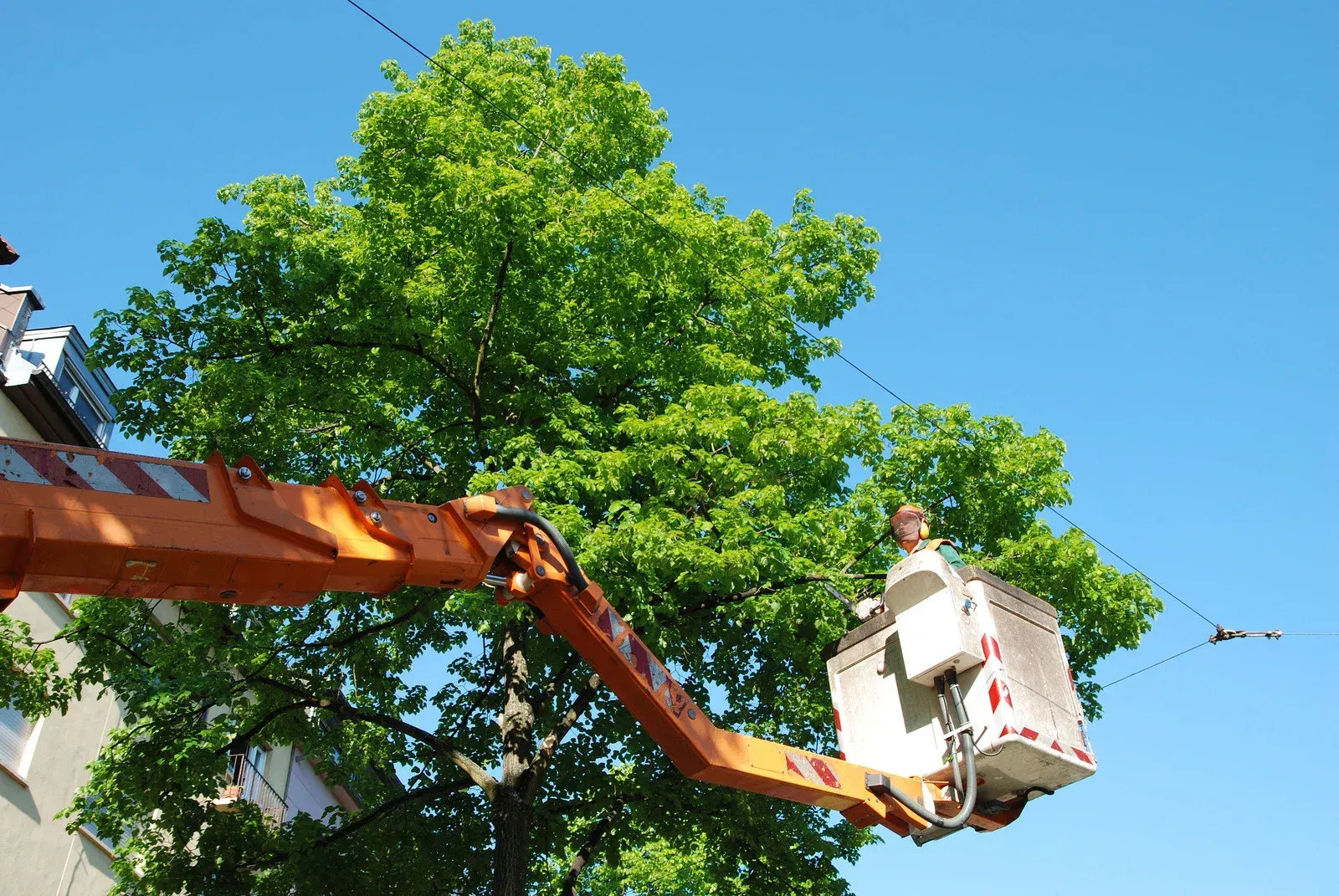
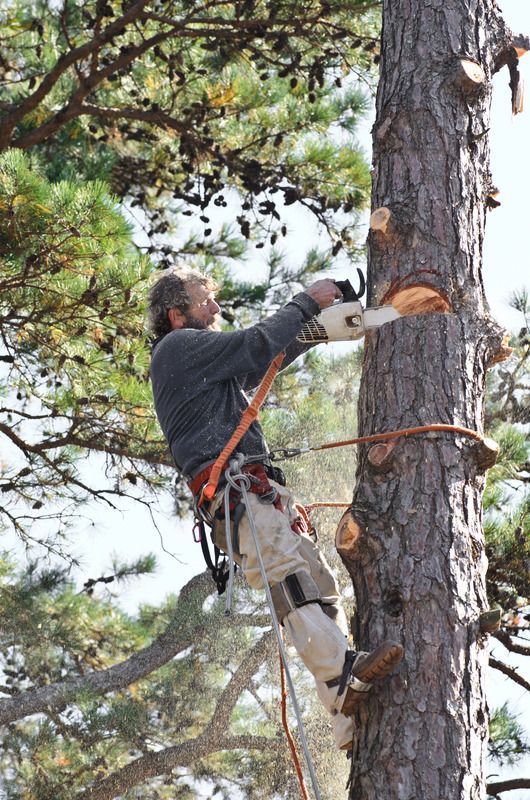
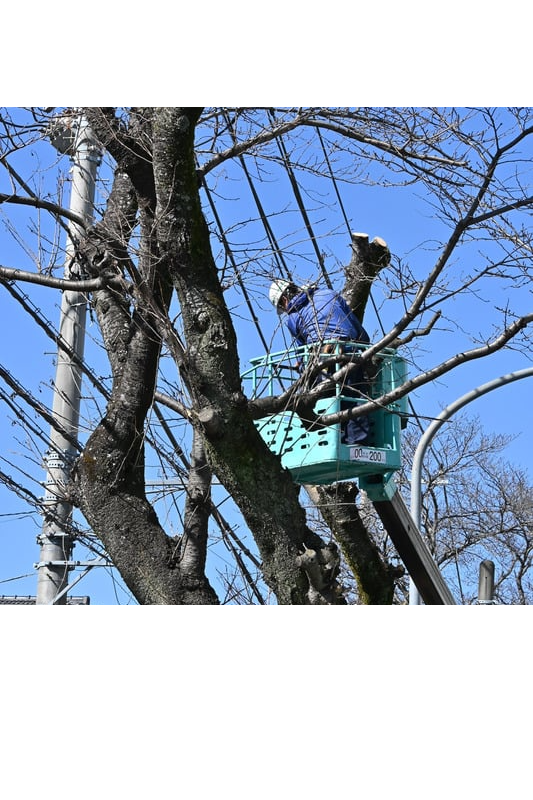
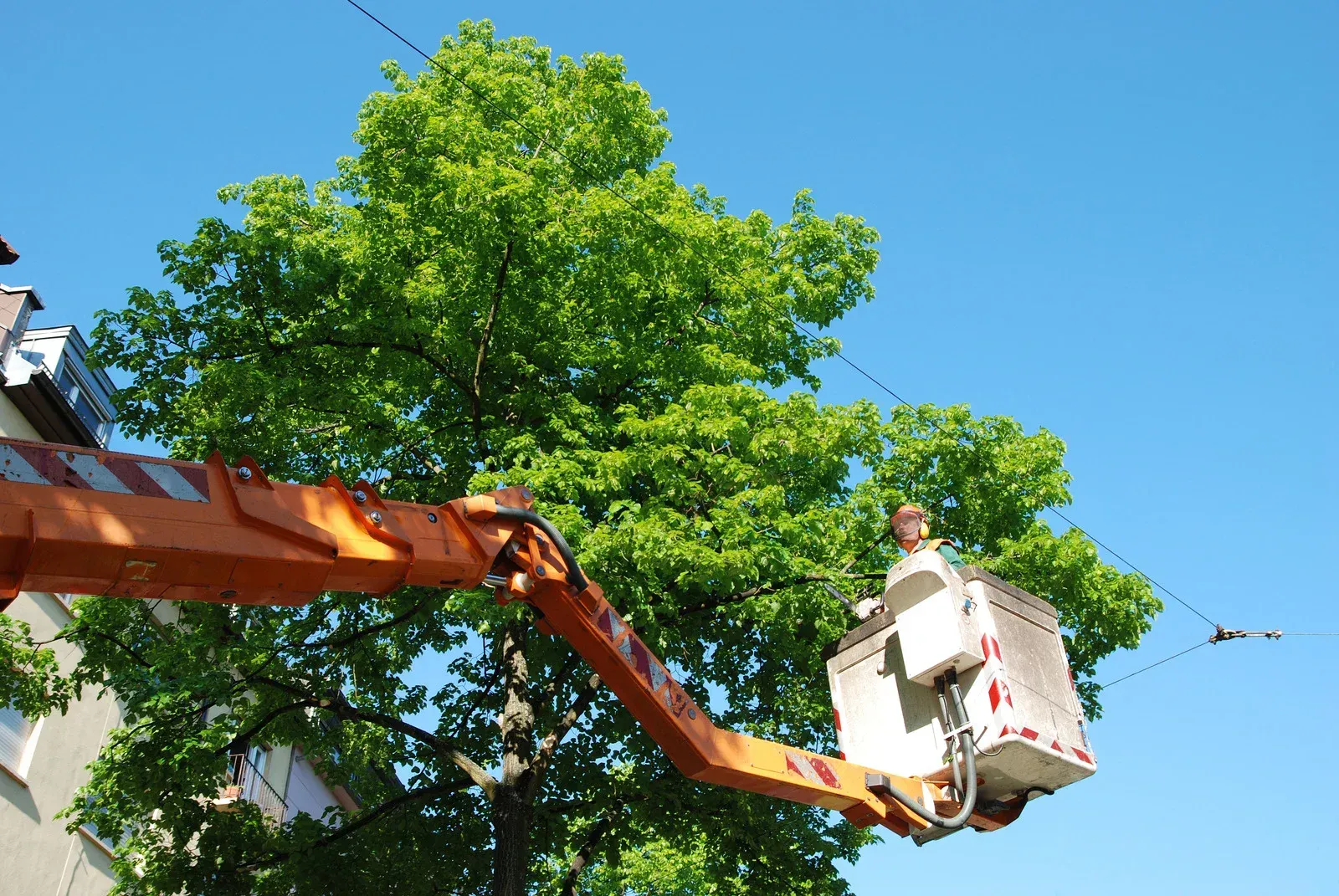
Tree removal is not a simple DIY task, especially when dealing with large or damaged trees. Without the proper equipment and experience, attempting to remove a tree can be dangerous and lead to unintended damage.
Professional tree service crews have the tools and knowledge to:
- Safely cut and remove trees in sections
- Control the direction of falling limbs
- Protect nearby structures and landscaping
- Handle cleanup and debris removal efficiently
In Jonesboro, where storms and changing weather conditions are common, having a reliable tree service team can make all the difference when urgent situations arise.
Final Thoughts
Trees are an important part of any property, but they also require attention and maintenance to remain safe. Recognizing the warning signs early can help you avoid costly repairs and protect your home, family, and neighbors.
If you notice any of these signs on your property in Jonesboro, AR, it may be time to take action. Whether it’s a leaning tree, storm damage, or visible structural issues, addressing the problem early can save time, money, and stress in the long run.
Jonesboro Tree Service Pros is here to help with safe, efficient tree removal, trimming, and emergency response when you need it most. If you’re unsure about the condition of a tree on your property, reaching out for a professional assessment is always a smart next step.