Tree Trimming in Jonesboro AR
Free Instant Quote!
Jonesboro Tree Service Pros provides professional tree trimming for residential and commercial properties throughout Jonesboro, AR and the surrounding Craighead County area. We handle structural trimming, deadwood removal, canopy thinning, clearance trimming around rooflines and utility lines, and ornamental shaping for trees of all sizes. Trimming is the most cost-effective tree service you can invest in — performed correctly and on a regular schedule, it extends the lifespan of your trees, reduces storm-related branch failure, and prevents the kind of structural problems that eventually force full removal. Our crew is licensed and insured, uses proper pruning cuts that protect tree health, and includes complete cleanup with every job.
Why Is Tree Trimming Worth Paying for in Jonesboro?
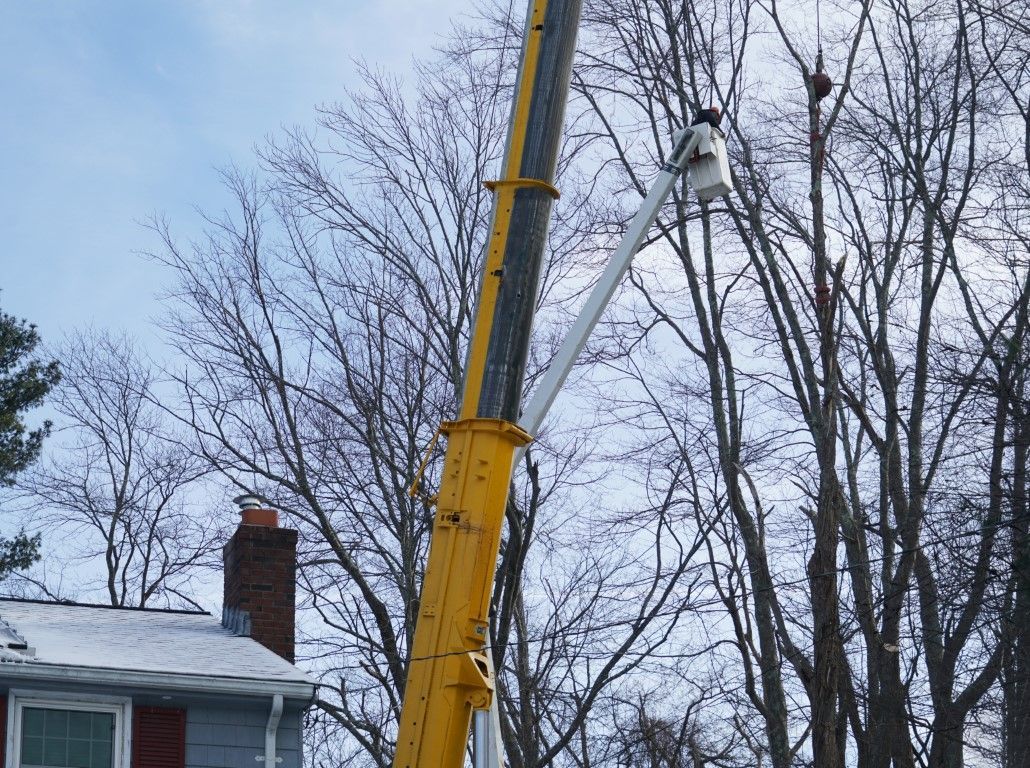
Most homeowners think of tree trimming as cosmetic — cutting back branches that look messy or hang too low. The reality is that trimming is one of the most important preventative investments you can make in your property, and skipping it is what eventually leads to far more expensive problems. A tree that has gone five or ten years without trimming develops dense interior canopy that traps humidity and accelerates fungal disease, branch loads that increase wind resistance during storms, dead limbs that drop unpredictably onto roofs and vehicles, and weak branch unions that fail without warning under the weight of ice or heavy rain. Routine trimming addresses all of these conditions before they become emergencies. In Jonesboro specifically, where the combination of long humid summers, sudden storm events, and ice accumulation in winter puts consistent stress on trees, the cost of regular trimming is a fraction of the cost of removing a damaged tree, repairing a roof, or paying out of pocket when an insurance claim is denied for lack of maintenance.
Industry Standards for Proper Trimming Cuts
Trimming is not the same as cutting branches off — it is a precise process that follows specific rules to protect tree health while achieving the structural or aesthetic goal of the job. Every cut we make is placed at a specific point relative to the branch collar, the natural swelling at the base of a branch where the tree forms its own protective barrier against decay. Cuts placed correctly heal cleanly. Cuts placed incorrectly leave open wounds that invite rot, pest infestation, and disease into the trunk. We also follow the percentage rule: no more than 20 to 25 percent of a tree's living canopy should be removed in a single trimming cycle. Removing more than that stresses the tree and can trigger excessive water-sprout growth, which produces weak, poorly attached limbs that are more dangerous than what we removed. The trimming process itself involves identifying the branches that should come out — dead wood, crossing branches, weak unions, branches growing toward structures, and overcrowded interior growth — and removing them with cuts that preserve the natural shape and long-term structure of the tree. Done correctly, the tree should look balanced and natural after we leave, not visibly trimmed.
Best Seasons for Tree Trimming in Northeast Arkansas
The right time to trim depends on the tree species, the goal of the trimming, and what is happening with the tree right now. For most established shade trees in Jonesboro, the ideal trimming window is late winter through early spring — after the worst of winter weather has passed but before active growth begins. Trimming during dormancy reduces stress on the tree, makes the branch structure easier to see and assess without leaves in the way, and gives any cuts the full growing season to begin healing. That said, trimming can be done year-round when the situation requires it: dead branches should be removed whenever they are identified regardless of season, storm-damaged limbs need immediate attention, and clearance trimming around rooflines or utility lines often cannot wait for the ideal window. Some species — including oaks — are best trimmed only during specific months to avoid attracting pests like the beetles that spread oak wilt. We assess each tree's species, condition, and goals during the estimate visit and recommend the right timing for your specific situation.
Recommended Trimming Frequency by Tree Type
There is no single answer that applies to every tree, but most established trees in Jonesboro do well on a trimming cycle of every two to three years. Trees in high-impact locations — over rooflines, near power lines, along driveways, or in the heaviest-use areas of the property — should be assessed every year even if full trimming is not needed each time. Younger trees during their first 5 to 10 years benefit from more frequent attention because that is when the long-term structure of the tree is being established. A young tree that is shaped correctly during its early years will grow into a strong, well-balanced mature tree with minimal future intervention. A young tree that is left alone or trimmed incorrectly during that window will develop structural problems that follow it for the rest of its life. Fast-growing species like Bradford pears, willow oaks, and silver maples need closer attention than slower-growing species like white oaks. We can recommend a trimming schedule for each tree on your property based on its species, age, and location.
Storm Damage Prevention Through Strategic Pruning
Yes, and this is one of the most overlooked reasons to keep up with regular trimming in Northeast Arkansas. Most storm damage caused by trees in Jonesboro is preventable. When a large limb breaks off during a thunderstorm and hits a roof, that limb almost always had visible warning signs that were missed — dead wood at the tip, a crack at the branch union, or excessive weight from years of unchecked growth. Trimming addresses these specific failure points: we remove dead and dying limbs before they fall on their own, reduce the wind resistance of the canopy by selectively thinning interior branches, eliminate weak branch unions where two limbs are joined at a tight angle, and shorten branches that are too long to support themselves under storm loading. Trees that have been trimmed regularly come through storms with minimal damage. Trees that have been neglected for years are the ones we get called to remove from rooftops the next morning. Beyond the property damage itself, many homeowners insurance policies expect reasonable maintenance, and a denied claim can leave a homeowner paying for damage that should have been covered.
Pricing Factors for Trimming Services in Jonesboro
Pricing for tree trimming depends on the size and number of trees, the amount of work each tree needs, the height and reach required to access the canopy, and how easily we can position our equipment near the work area. A small ornamental tree with light maintenance trimming is one of the lowest-cost services we offer. A large mature oak with significant deadwood, structural pruning needs, and overhanging branches over a roof requires climbing, rigging, and substantially more time on site. The total scope of work also affects pricing — trimming three trees on the same visit costs less per tree than trimming one tree and coming back for another later, because we are already on site with equipment set up. Debris handling is the final variable: chipping and full haul-off costs more than stacking the wood for the homeowner to handle. We provide a free on-site estimate so you understand the pricing before any commitment is made, and we can quote multiple trees on a single visit so you can prioritize what gets trimmed now versus what can wait.
Tree Health Benefits of Consistent Pruning
Trimming directly affects tree health in several measurable ways, especially in Jonesboro's humid climate where fungal disease pressure is high year-round. Removing dead and dying branches eliminates entry points for decay organisms that would otherwise spread into the main trunk. Thinning overcrowded interior growth improves airflow through the canopy, which reduces the moisture buildup that fungal pathogens need to establish and spread. Removing crossing and rubbing branches prevents the bark wounds that become entry points for boring insects and disease. Better light penetration through a properly thinned canopy improves photosynthesis throughout the tree, particularly for interior leaves that would otherwise be shaded out and unproductive. Selective trimming also lets the tree allocate its limited resources — water, nutrients, and growth energy — toward the strongest, best-positioned branches instead of wasting them on weak or poorly placed limbs that were never going to develop into healthy structure. Trees that are trimmed correctly on a regular schedule live measurably longer, sustain less storm damage, and require less corrective work over their lifespan.
Trimming Service Coverage Across Craighead County
Our tree trimming service area extends beyond Jonesboro to include the surrounding communities of Paragould in Greene County and Trumann in Poinsett County, along with rural properties throughout Craighead County. We trim residential, commercial, and municipal trees across the broader Northeast Arkansas region. The species mix in our service area — water oaks, willow oaks, sweet gums, loblolly pines, Bradford pears, crepe myrtles, and a range of ornamentals — each have different trimming requirements, and we adjust our approach to match the species and condition of each tree. If you are located outside these communities but in the broader Northeast Arkansas region, call us with your address and we will confirm whether we can accommodate the job.
FAQs — Tree Trimming in Jonesboro, AR
What is the difference between tree trimming and tree pruning?
The terms are often used interchangeably, but in the industry they describe slightly different things. Trimming generally refers to cutting back branches for shape, size, or clearance — managing the size and form of the tree. Pruning refers to selective removal of branches for the health and structure of the tree, like removing dead wood, crossing limbs, or weak unions. In practice, most professional tree work involves both at the same time, and we approach every job with both goals in mind: improve the structure and health of the tree while also addressing any size, shape, or clearance issues the homeowner needs handled.
Will trimming hurt or stress out my tree?
Properly executed trimming is beneficial, not harmful. Trees evolved to lose branches naturally and heal those wounds — our job is to make cuts in the right place and in the right amount so the tree can heal cleanly without stress. Over-trimming, sometimes called topping, is what causes serious damage: removing too much canopy at once, cutting branches in random spots instead of at proper points, or "rounding over" a tree by shearing the outer canopy. We never use those techniques. The tree should look balanced and natural when we leave, not visibly cut back.
Can you trim branches that are touching my house or hanging over the roof?
Yes — this is one of the most common reasons we get called for trimming in Jonesboro. Branches that contact a roof cause shingle damage from rubbing, drop debris into gutters, give squirrels and other pests easy access to the attic, and trap moisture against the roof structure. We remove those branches back to a proper cut point, providing adequate clearance without removing more of the tree than necessary. We can do the same for branches over driveways, near windows, against siding, or above outdoor living areas.
How long does a trimming job typically take?
Most single-tree trimming jobs are completed in a few hours, including cleanup. Larger trees, multi-tree jobs, or trees that require climbing and rigging take longer — sometimes most of a day for properties with significant trimming needs. We give you a realistic time estimate during the on-site quote, and most homeowners do not need to be home during the work.
What happens to all the branches and debris after trimming?
All cleanup is included with our trimming service. Smaller branches are run through a wood chipper, larger limbs are sectioned and either hauled away or stacked at the curb based on your preference, and the work area is raked and blown clean before we leave. You should not be picking up debris after we are done.
Can you trim trees that are near power lines on my property?
We can trim branches that are growing toward power lines but have not yet made contact — which is the safest and most cost-effective time to handle that situation. We do not work on branches or trees that are already in direct contact with energized utility lines. In those cases, we coordinate with the appropriate utility provider before beginning any work on our end. If you are unsure whether a branch has already made contact, call us and we will assess the situation safely.