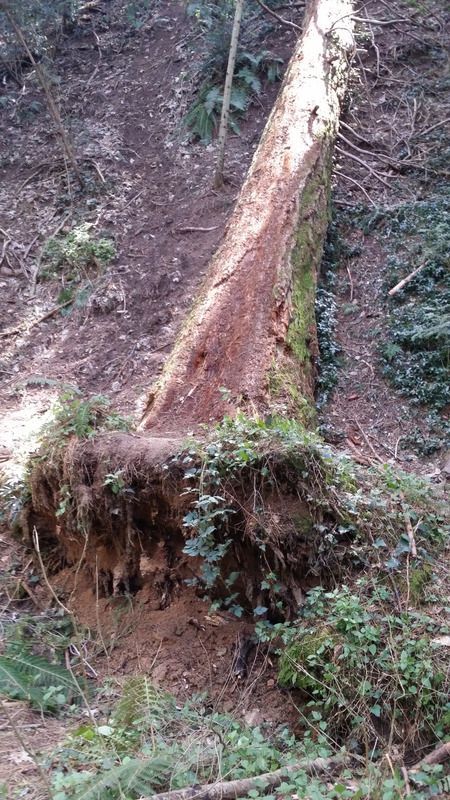
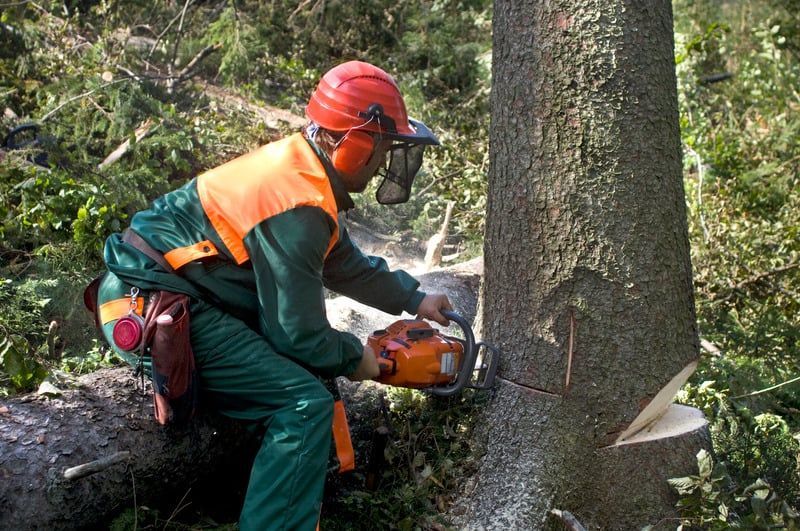
How Dead Trees Can Impact Property Value in Jonesboro Neighborhoods

February 4, 2026

When it comes to maintaining your property in Jonesboro, most homeowners think about roofing, landscaping, or exterior paint. But one often-overlooked factor that can significantly influence your home’s value is the condition of the trees on your property—especially dead or dying ones.

Dead trees are more than just an eyesore. They can pose safety risks, attract pests, and even reduce your home’s marketability. Whether you’re planning to sell your home or simply want to protect your investment, understanding how dead trees impact property value is essential for homeowners throughout Jonesboro neighborhoods.

Why Tree Health Matters in Real Estate

Healthy, well-maintained trees can enhance curb appeal, provide shade, and create a welcoming atmosphere. In contrast, dead trees send the opposite message. Potential buyers often interpret neglected trees as a sign of broader property neglect.

In competitive housing markets like Jonesboro, first impressions matter. A yard with dead or decaying trees can:

  • Make a home look poorly maintained
  • Raise concerns about hidden property issues
  • Lower perceived value before buyers even step inside


Even if the rest of your home is in excellent condition, a dead tree in the yard can create doubt—and doubt can lead to lower offers.


Curb Appeal: The First Thing Buyers Notice

Curb appeal plays a major role in determining property value. A dead tree, especially one that is large or prominently located, can drastically reduce the visual appeal of your home.


Imagine a potential buyer pulling up to your property. Instead of seeing a vibrant, well-kept yard, they notice a brittle, leafless tree with peeling bark and falling limbs. That immediate negative impression can influence how they perceive the entire home.


In Jonesboro neighborhoods where well-maintained lawns and landscaping are the norm, a dead tree can make your property stand out—for the wrong reasons.


Safety Hazards That Affect Buyer Confidence

Dead trees aren’t just unattractive—they’re dangerous. Over time, dead wood becomes brittle and unstable, increasing the risk of falling branches or even complete tree failure.


This is especially concerning in a region like Arkansas, where storms, high winds, and seasonal weather shifts are common. A dead tree can easily become a liability during severe weather.


Buyers and home inspectors will take note of risks such as:

  • Limbs hanging over roofs, driveways, or power lines
  • Leaning or structurally compromised trunks
  • Signs of rot or internal decay


If a property presents safety concerns, buyers may:

  • Request price reductions
  • Ask for tree removal before closing
  • Walk away from the deal entirely


The Cost Factor: Buyers Think Ahead

Today’s buyers are more informed than ever. When they see a dead tree, they don’t just see a problem—they see a future expense.

Tree removal, especially for large or hazardous trees, can be costly. Buyers often factor this into their offer, subtracting the estimated removal cost from what they’re willing to pay.


In some cases, they may even overestimate the cost, leading to a bigger reduction in your home’s perceived value.

By addressing dead trees ahead of time, homeowners can avoid:

  • Lower offers
  • Negotiation delays
  • Unexpected repair concessions


Pest Infestations and Property Damage

Dead trees are a magnet for pests. Insects such as termites, carpenter ants, and beetles are drawn to decaying wood, and once they establish themselves, they may spread to nearby structures—including your home.


In Jonesboro’s climate, pest activity can be particularly active during warmer months. A dead tree left untreated can quickly become a breeding ground for infestations.


This raises serious concerns for buyers, including:

  • Potential structural damage to the home
  • Increased pest control costs
  • Long-term maintenance issues


Even the presence of pest activity near a dead tree can be enough to deter a potential buyer or trigger inspection concerns.


Insurance and Liability Issues

Homeowners insurance companies often view dead trees as a liability. If a dead tree falls and causes damage—especially if it was clearly neglected—insurance coverage may be limited or denied.


For buyers, this creates another layer of concern. They may question:

  • Whether the property is insurable
  • If they’ll face higher premiums
  • Who is responsible for potential damages


A dead tree near property lines can also create disputes with neighbors if it falls and causes damage to adjacent properties.


All of these factors can negatively influence a buyer’s willingness to move forward or pay full market value.


Impact on Appraisals

Appraisers evaluate not only the structure of a home but also the condition of the property as a whole. Dead trees can be noted as a negative feature, especially if they pose safety risks or detract from the property’s overall appeal.


In some cases, a dead tree may:

  • Lower the appraised value of the home
  • Trigger repair requirements before financing approval
  • Delay the closing process


For sellers in Jonesboro, this can mean unexpected setbacks and financial adjustments late in the transaction.


Neighborhood Standards and HOA Expectations

Many neighborhoods in Jonesboro have informal or formal standards for property maintenance. In some cases, homeowners associations (HOAs) may even require the removal of dead or hazardous trees.


A property with visible neglect can affect not just your home’s value, but also the perception of the entire neighborhood. This can lead to:

  • Complaints from neighbors
  • HOA violations or fines
  • Pressure to address the issue quickly


Maintaining healthy trees helps preserve the overall look and value of your community.


When Should You Remove a Dead Tree?

Knowing when to act is key. Some common signs that a tree needs removal include:

  • No leaves during growing season
  • Large sections of peeling or missing bark
  • Visible fungal growth or rot
  • Cracks in the trunk
  • Dead branches throughout the canopy


If you notice any of these signs, it’s best to consult a professional tree service in Jonesboro to assess the situation.

Early action can prevent more serious problems and protect your property value.


The Benefits of Proactive Tree Care

Removing a dead tree isn’t just about eliminating a problem—it’s about improving your property as a whole.


Benefits include:

  • Enhanced curb appeal
  • Increased buyer confidence
  • Reduced safety risks
  • Better landscaping opportunities
  • Stronger overall property value


In many cases, replacing a dead tree with a healthy one or updating your landscaping can actually boost your home’s attractiveness and market appeal.


Why Local Expertise Matters

Working with a local tree service company in Jonesboro ensures that your trees are evaluated and handled with an understanding of the area’s climate, soil conditions, and common tree species.


Local professionals can:

  • Identify risks specific to the region
  • Recommend the best course of action
  • Safely remove hazardous trees
  • Help maintain the long-term health of your landscape


This level of expertise is especially important when dealing with large or potentially dangerous trees.


Final Thoughts

Dead trees may seem like a minor issue, but their impact on property value can be significant. From reducing curb appeal to creating safety hazards and financial concerns, a neglected tree can quietly undermine your home’s worth.


For homeowners in Jonesboro, staying proactive with tree care is one of the smartest ways to protect your investment. Whether you’re planning to sell or simply want to maintain a safe, attractive property, addressing dead trees early can make all the difference.


If you have concerns about a tree on your property, taking action now can save you time, money, and stress down the road—while keeping your home looking its best in any Jonesboro neighborhood.
February 18, 2026
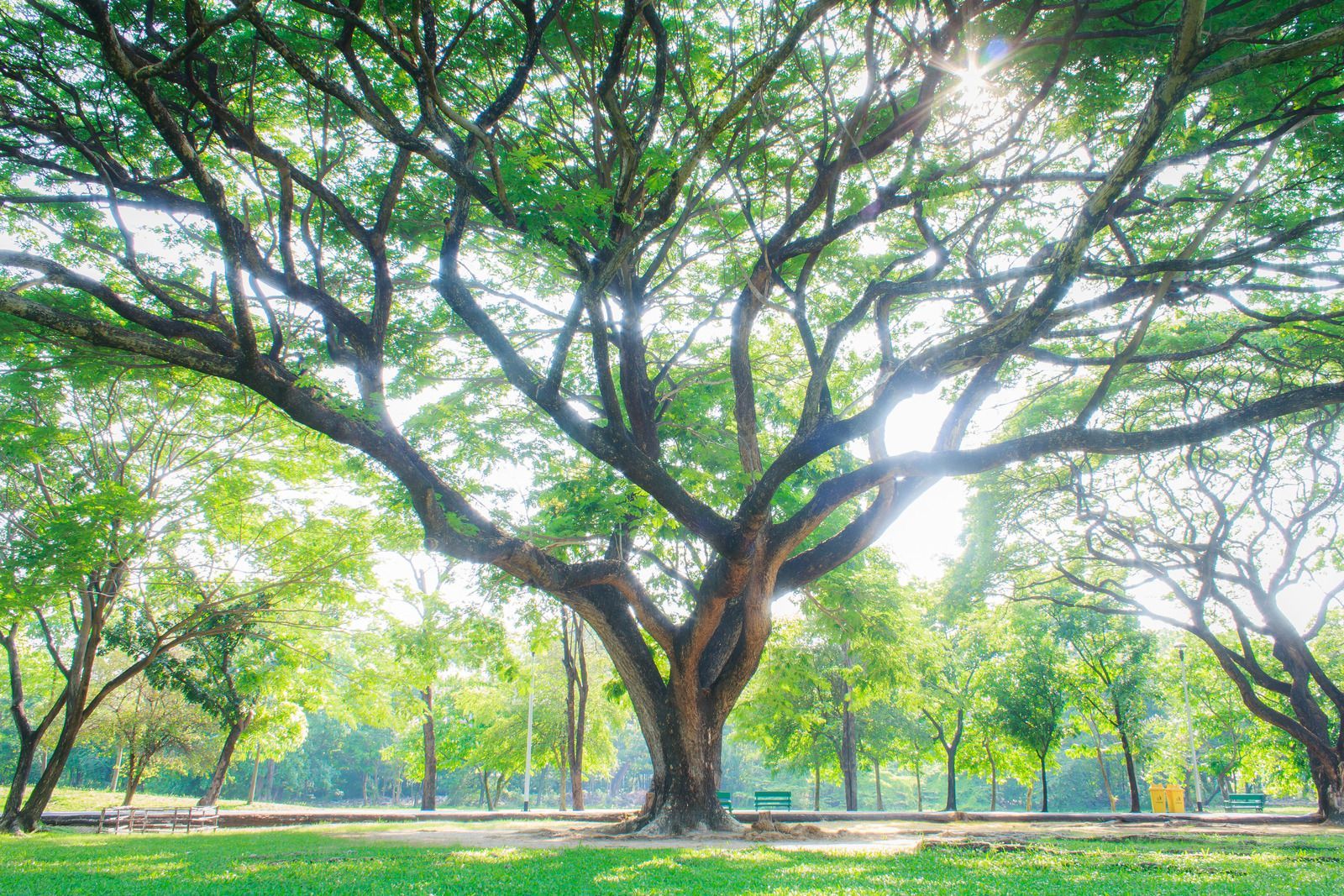
Trees are a valuable part of any landscape, providing shade, beauty, and environmental benefits. However, their health is closely tied to the local climate. In Jonesboro, weather patterns throughout the year can have a significant impact on how trees grow, respond to stress, and require maintenance. From hot, humid summers to occasional winter freezes, understanding how the local climate affects tree health can help homeowners take better care of their trees and avoid costly problems. Overview of Jonesboro’s Climate Located in Arkansas, Jonesboro experiences a humid subtropical climate. This means: Long, hot summers Mild to cool winters High humidity levels Seasonal storms and strong winds  These conditions create both opportunities and challenges for tree growth. Spring: Rapid Growth and Vulnerability Spring is one of the most active times for trees in Jonesboro. As temperatures rise and rainfall increases, trees begin to: Produce new leaves Grow branches and roots Recover from winter dormancy While this rapid growth is beneficial, it also makes trees more vulnerable to: Storm damage from heavy rains and wind Pest infestations Fungal diseases due to moisture Proper maintenance during this time—such as light pruning and inspections—can help trees stay healthy. Summer: Heat and Stress Summers in Jonesboro can be intense, with high temperatures and humidity placing stress on trees. Common summer challenges include: Drought conditions during dry spells Heat stress, especially for younger trees Increased insect activity Soil moisture fluctuations Trees may show signs of stress such as: Wilting leaves Early leaf drop Discoloration Deep watering and proper mulching can help trees retain moisture and withstand the heat. Fall: Transition and Preparation Fall is a transitional season where trees begin preparing for dormancy. During this time: Growth slows down Leaves change color and fall Energy is stored in roots While this period is generally less stressful, it’s important to avoid activities that could harm trees, such as heavy pruning. Fall is also a good time to: Inspect for damage or disease Plan future tree care Remove weak or hazardous limbs if necessary Winter: Dormancy and Recovery Winter in Jonesboro is relatively mild compared to northern climates, but trees still enter a dormant phase. During dormancy: Growth temporarily stops Trees conserve energy Structural issues become easier to identify Occasional freezes can still impact certain tree species, especially if they are not well-suited to the local climate. Winter is an ideal time for: Tree trimming and pruning Removing dead or hazardous trees Preparing for spring growth Storms and Severe Weather One of the biggest climate-related challenges in Jonesboro is severe weather. Thunderstorms, high winds, and occasional ice events can cause significant damage to trees. Storm-related issues include: Broken branches Uprooted trees Split trunks Debris hazards Regular maintenance, including trimming and inspections, can reduce the risk of storm damage and keep your property safer. Soil and Moisture Conditions The soil in Jonesboro, combined with seasonal rainfall patterns, plays a major role in tree health. Too much moisture can lead to: Root rot Fungal growth Weak root systems Too little moisture can cause: Drought stress Reduced growth Increased susceptibility to pests Balancing soil moisture through proper watering and drainage is key to maintaining healthy trees. Common Tree Health Issues in Jonesboro Due to the local climate, homeowners may encounter several recurring tree problems: Fungal diseases caused by humidity Pest infestations during warmer months Structural weakness from rapid growth Storm-related damage Recognizing these issues early allows for quicker intervention and better outcomes. The Importance of Year-Round Tree Care Tree care isn’t a one-time task—it requires attention throughout the year. Each season presents different challenges and opportunities for maintaining tree health. A year-round approach includes: Seasonal inspections Timely trimming and pruning Monitoring for pests and disease Addressing damage promptly This proactive strategy helps extend the life of your trees and enhances the overall appearance of your property. Why Local Knowledge Matters Because Jonesboro’s climate has unique characteristics, working with a local tree service provider offers a major advantage. Local professionals understand: Regional weather patterns Common tree species Seasonal risks and challenges This knowledge allows for more accurate assessments and better long-term care strategies. Final Thoughts Jonesboro’s climate plays a major role in shaping the health and longevity of your trees. From spring growth spurts to summer stress and winter dormancy, each season brings its own set of conditions that impact your landscape. By understanding these patterns and taking a proactive approach to tree care, homeowners can maintain healthier trees, reduce risks, and create a more beautiful and valuable property year-round. Investing in proper tree care today ensures that your trees remain strong, safe, and vibrant for years to come.
February 12, 2026
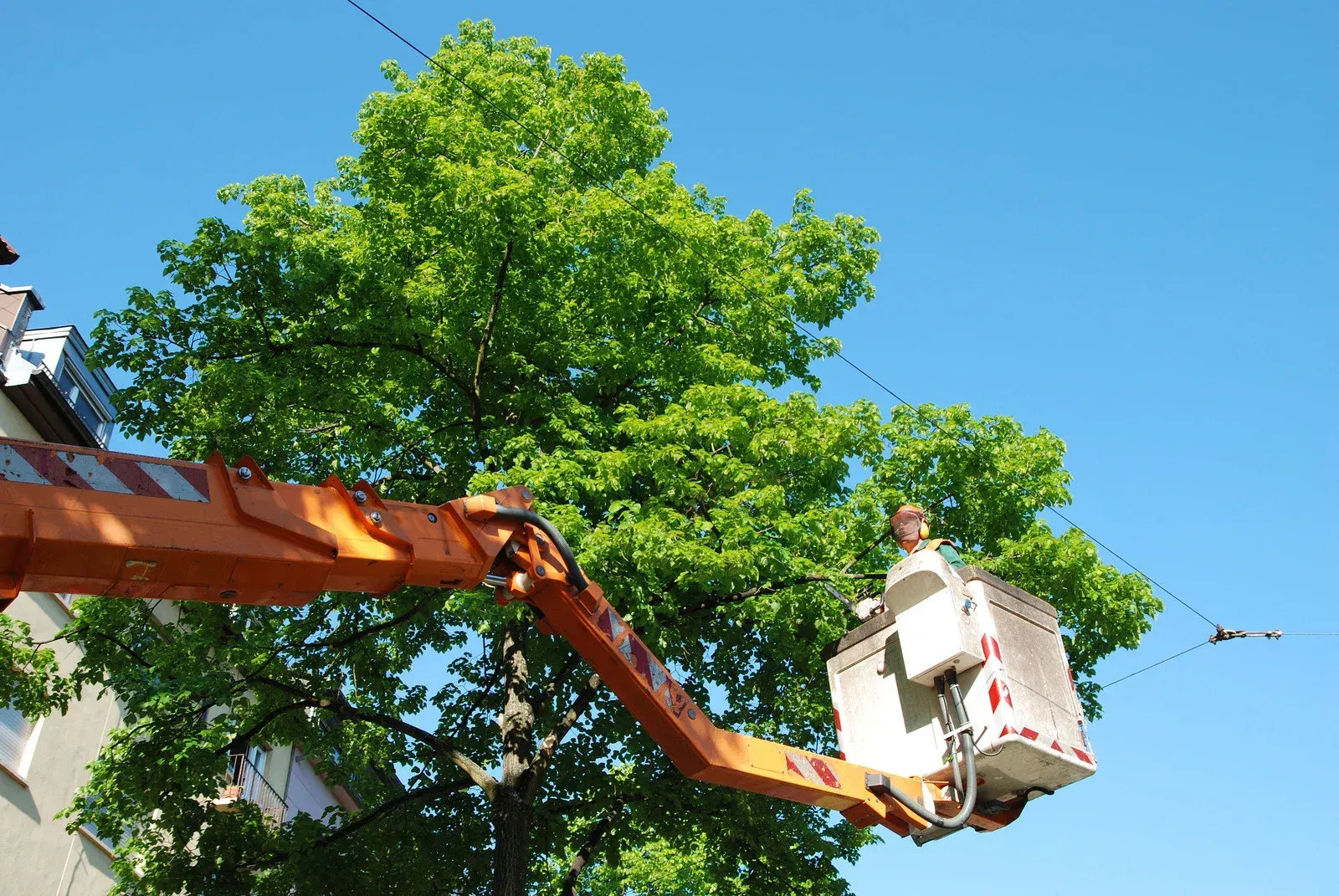
Proper tree trimming is one of the most important aspects of maintaining a safe, healthy, and attractive property. In a place like Jonesboro, where seasonal weather patterns can vary significantly throughout the year, knowing when to trim your trees is just as important as knowing how. Trimming at the right time promotes strong growth, prevents disease, and reduces the risk of storm damage. On the other hand, trimming at the wrong time can stress your trees, stunt growth, or even make them more vulnerable to pests and decay. Let’s break down the best times of year for tree trimming in Jonesboro and why timing matters for your property. Why Timing Matters for Tree Trimming Tree trimming isn’t just about aesthetics—it directly impacts tree health and structural integrity. Each season affects how trees respond to cuts, how quickly they heal, and how susceptible they are to disease or pests.  In Arkansas, the climate includes hot, humid summers and mild winters, which means trees experience long growing seasons and occasional weather extremes. Understanding these conditions helps determine the safest and most effective trimming schedule. Winter: The Ideal Time for Most Tree Trimming For most tree species in Jonesboro, late winter—typically between January and early March—is the best time for trimming. During this period: Trees are dormant and not actively growing There is less sap flow, reducing stress on the tree The absence of leaves makes it easier to see the tree’s structure Disease and insect activity are at their lowest Trimming during dormancy allows trees to heal quickly once the growing season begins in spring. It also encourages stronger, healthier growth. This is especially beneficial for: Shade trees Fruit trees Large, mature trees that require structural pruning Spring: Proceed with Caution Spring is a time of active growth, making it a sensitive period for tree trimming. As trees begin to bud and produce leaves, they rely heavily on stored energy. Heavy trimming during this time can: Slow growth Reduce flowering or fruit production Increase vulnerability to disease However, light pruning—such as removing dead or damaged branches—is generally safe and even recommended. Spring trimming is best for: Minor maintenance Removing storm-damaged limbs Shaping small ornamental trees Summer: Strategic Maintenance Only Summers in Jonesboro are known for heat and humidity, which can place stress on trees. While this isn’t the ideal time for major trimming, it can still serve a purpose. Carefully planned summer trimming can: Control excessive growth Improve airflow through the canopy Reduce weight on overextended branches It’s also a good time to identify branches that didn’t leaf out, which may indicate dead wood. However, over-pruning in the summer can: Expose bark to sunscald Increase stress due to heat Make trees more susceptible to pests Fall: Generally Not Recommended Fall might seem like a convenient time for yard work, but it’s typically the worst time for tree trimming in Jonesboro. During the fall: Trees begin preparing for dormancy Healing processes slow down Fungal spores and diseases are more active Trimming during this period can leave trees vulnerable to infection and decay. In most cases, it’s best to wait until winter unless there’s an urgent need to remove hazardous branches. Emergency Tree Trimming: Anytime It’s Needed While seasonal timing is important, safety always comes first. If a tree has damaged or dangerous branches—especially after storms—it’s critical to address the issue immediately. High winds and severe weather in Jonesboro can cause: Broken limbs Split trunks Hanging branches These situations require prompt attention regardless of the season to prevent injury or property damage. Tree Type Matters Different tree species respond differently to trimming. In Jonesboro, common trees such as oaks, maples, and pines each have their own ideal trimming windows. For example: Oak trees are best trimmed in winter to avoid disease Flowering trees should be trimmed after blooming Evergreens benefit from light trimming in late winter or early spring Understanding the specific needs of your trees ensures better long-term health and growth. Benefits of Properly Timed Tree Trimming When tree trimming is done at the right time of year, homeowners can expect several benefits: Stronger branch structure Improved tree health Enhanced curb appeal Reduced risk of storm damage Longer lifespan for trees Well-maintained trees can also increase property value and make your home more attractive to potential buyers. Why Professional Tree Trimming Makes a Difference Tree trimming may seem straightforward, but improper cuts or poor timing can cause lasting damage. Working with a local professional ensures: Proper pruning techniques Safe removal of large or hazardous limbs Knowledge of local tree species and climate Efficient and thorough service In Jonesboro, having a knowledgeable team handle your tree trimming can save you time, reduce risk, and protect your investment. Final Thoughts The best time for tree trimming in Jonesboro, AR largely depends on the type of tree and the goal of the trimming. However, late winter remains the optimal season for most major pruning tasks. By understanding seasonal timing and staying proactive with tree care, homeowners can maintain healthier trees, safer properties, and more attractive landscapes year-round.
January 27, 2026
Storms are a regular part of life in Jonesboro, AR, and while they often pass quickly, the damage they leave behind can last much longer. High winds, heavy rain, and sudden weather changes can take a serious toll on trees, leaving behind broken limbs, leaning trunks, or even completely fallen trees. When this happens, fast action is critical.  Delaying tree removal after storm damage might seem harmless at first, but it can quickly turn into a much bigger problem. Acting quickly not only protects your property but also helps prevent additional risks and costly repairs. Here’s why fast tree removal matters after storm damage in Jonesboro. Immediate Safety Risks One of the biggest reasons to address storm-damaged trees right away is safety. A damaged tree is often unstable, even if it hasn’t fallen yet. Cracked trunks, partially broken limbs, and exposed roots can all lead to sudden failure without warning. In residential areas around Jonesboro, this can put your home, vehicles, and family at risk. A weakened tree may collapse hours or even days after a storm, especially if additional wind or rain occurs. Acting quickly to remove or stabilize the tree reduces the chance of unexpected accidents. Preventing Further Property Damage Storm-damaged trees rarely stay in the same condition for long. What starts as a broken branch or slight lean can quickly worsen. As the structure of the tree weakens, gravity and environmental factors can cause more sections to break off or shift. A damaged tree hanging over your roof or driveway can fall at any time. The longer it’s left unattended, the higher the risk of damage to your home, fence, or surrounding structures. Fast tree removal helps stop the problem from escalating and protects your investment. Reducing Liability Concerns Property owners in Jonesboro are responsible for maintaining safe conditions on their property. If a damaged tree is left standing and ends up causing injury or damage, it could lead to liability issues. For example, if a large branch falls onto a neighbor’s property or a tree collapses onto a parked vehicle, you could be held responsible for the damage. Taking care of storm-damaged trees quickly shows that you’ve taken reasonable steps to address potential hazards and reduce risk. Keeping Your Property Accessible After a storm, fallen trees and large limbs can block driveways, sidewalks, and access points around your property. This can make it difficult to get in and out of your home or business. In some cases, blocked access can even delay emergency services or utility repairs. Fast tree removal ensures your property remains accessible and functional, especially when you need it most. Preventing Additional Tree Stress Storm damage doesn’t just affect one part of a tree—it can impact the entire structure. Even if only a portion of the tree appears damaged, the stress placed on the trunk and root system can weaken the whole tree. If damaged sections are not removed promptly, the remaining parts of the tree may become unstable. This can lead to further breakage or even complete failure over time. Addressing the issue quickly helps prevent additional damage and allows for a safer, cleaner outcome. Avoiding Pest and Decay Problems While your company doesn’t focus on treatments, it’s still important to note that storm-damaged wood can create problems if left alone. Broken limbs and fallen trees can begin to decay quickly, especially in warm and humid conditions like those in Jonesboro. As wood breaks down, it can attract insects and create unwanted issues around your property. Removing damaged trees and debris quickly helps keep your yard clean and reduces the chances of further complications. Faster Cleanup and Recovery The longer storm debris sits on your property, the more overwhelming cleanup can become. Large branches, scattered limbs, and fallen trees can make your yard feel unusable and unsafe. Fast tree removal allows you to restore your property sooner. Whether it’s getting your yard back in order, preparing for repairs, or simply returning to normal, quick action helps speed up the recovery process. Protecting Nearby Trees and Landscaping When one tree is damaged, it can affect the surrounding landscape. Falling branches can damage nearby plants, shrubs, or smaller trees. Additionally, a leaning or unstable tree can put pressure on neighboring trees, increasing the risk of further damage. By removing or addressing the damaged tree quickly, you can help protect the rest of your landscape and prevent a chain reaction of problems. Why Professional Tree Removal Is Important After Storms Storm-damaged trees are unpredictable and often dangerous to handle. Branches may be under tension, trunks may be partially split, and the direction of a fall may not be obvious. Attempting to handle this type of situation without proper equipment can lead to serious injury or property damage. Professional tree service crews have the tools and experience to safely manage storm-related tree issues. This includes: Removing fallen trees without damaging surrounding structures Cutting and lowering large limbs in a controlled manner Clearing debris efficiently Handling emergency situations quickly and safely In a place like Jonesboro, where storms can roll through with little warning, having access to reliable emergency tree services is essential. 24/7 Emergency Response Makes a Difference Storm damage doesn’t always happen during normal business hours. Trees can fall overnight, during weekends, or in the middle of severe weather events. That’s why having access to 24/7 emergency tree service is so important. A fast response time can prevent further damage, reduce hazards, and give you peace of mind during stressful situations. Whether a tree has fallen on your property or is at risk of falling, immediate help ensures the problem is handled before it gets worse. Final Thoughts Storms in Jonesboro, AR can leave behind more than just debris—they can create serious safety hazards that need immediate attention. Waiting too long to address storm-damaged trees can lead to additional damage, increased costs, and unnecessary risks. Fast tree removal is about more than convenience. It’s about protecting your property, maintaining safety, and preventing small issues from turning into major problems. From fallen trees to unstable limbs, taking action quickly is always the best approach. Jonesboro Tree Service Pros is ready to respond when storm damage strikes. With reliable service, professional equipment, and a focus on safety, you can count on a team that understands how to handle urgent tree situations the right way. If you’re dealing with storm damage, don’t wait—getting help quickly can make all the difference.
January 13, 2026
Trees add value, shade, and character to properties throughout Jonesboro, AR. From established neighborhoods to newer developments, healthy trees can improve curb appeal and create a more comfortable outdoor space. However, not every tree remains safe or beneficial over time. Weather conditions, natural aging, and structural issues can turn a once-beautiful tree into a serious risk.  Knowing when a tree needs to be removed isn’t always obvious, especially if the damage isn’t immediately visible. Ignoring the warning signs can lead to property damage, safety hazards, and costly repairs. Below are some of the most common signs that it may be time to consider professional tree removal in Jonesboro. 1. The Tree Is Leaning More Than Usual A slight lean in a tree can be normal, especially if it has grown that way over time. However, a sudden or increasing lean is often a sign of structural instability. This is especially important in Jonesboro, where storms and high winds can weaken root systems and shift trees unexpectedly. If a tree begins leaning toward your home, driveway, or power lines, it should be evaluated as soon as possible. A leaning tree can fall without much warning, particularly after heavy rain when the soil becomes saturated. 2. Large Dead or Hanging Branches Dead branches are more than just an eyesore—they can become dangerous if they fall. Large limbs that hang over your roof, vehicles, or walkways pose a risk to anyone below. In many cases, these branches can break off during even mild wind or storms. In Jonesboro’s storm-prone environment, removing or addressing dead limbs early can help prevent bigger problems. If a tree has multiple large dead branches, it may be a sign that the entire tree is declining and could require removal. 3. Visible Cracks or Splits in the Trunk The trunk is the main support system of a tree. When you notice deep cracks, splits, or separations in the trunk, it often indicates structural weakness. These issues can worsen over time and increase the likelihood of the tree failing. Cracks that extend deep into the trunk or run vertically are especially concerning. In some cases, a split trunk can lead to the tree breaking apart, which can cause significant damage to nearby structures. 4. The Tree Is Too Close to Structures Trees that grow too close to homes, garages, fences, or power lines can create long-term problems. As the tree continues to grow, its branches and roots may begin to interfere with these structures. Overhanging limbs can damage roofs, clog gutters, and scrape against siding. Roots can lift sidewalks, crack driveways, and even impact foundations. In situations where trimming is no longer enough to manage the growth, removal may be the safest and most practical option. 5. Storm Damage Has Compromised the Tree Storms are a major factor in tree damage across Jonesboro. High winds, lightning, and heavy rain can weaken trees or cause immediate breakage. Even if a tree doesn’t fall right away, it may have hidden damage that makes it unstable. Common signs of storm damage include: Broken or hanging branches A sudden lean Uprooted or exposed roots Missing sections of the canopy If a tree has been significantly impacted by a storm, it’s important to act quickly. Delaying removal can increase the risk of the tree falling later, especially during the next round of bad weather. 6. The Tree Is Dead or Dying A dead tree is one of the clearest signs that removal is necessary. Without living tissue, the tree becomes dry and brittle, making it more likely to break or fall. Dead trees also lose their ability to withstand wind and weather. Signs a tree may be dead or dying include: No leaves during the growing season Bark falling off in large sections Brittle branches that snap easily A hollow or decaying trunk Dead trees should be removed as soon as possible to eliminate safety risks and prevent damage to surrounding areas. 7. Roots Are Causing Damage Tree roots can spread much farther than many homeowners realize. In some cases, they can extend two to three times the width of the tree’s canopy. When roots grow too close to structures, they can cause serious issues. Signs of root-related problems include: Cracked or lifted sidewalks and driveways Uneven ground around the tree Damage to patios or foundations If root damage becomes severe, removing the tree may be the only way to prevent further structural problems. 8. The Tree Has Been Previously Damaged Trees that have experienced past damage may not fully recover. Even if they appear stable at first, weakened structures can lead to future failures. Previous storm damage, improper trimming, or physical impact can all contribute to long-term instability. If a tree has a history of issues and continues to show signs of weakness, removal may be the safest option to avoid unexpected problems down the road. 9. It’s Becoming a Safety Hazard Sometimes the decision comes down to overall safety. If a tree is located in a high-traffic area, near a home, or close to where people frequently walk or park, any structural issue becomes more serious. A tree doesn’t have to be completely dead to pose a risk. Even a partially compromised tree can cause injuries or property damage if it fails. When safety is a concern, it’s always better to address the issue sooner rather than later. 10. You’re Planning Construction or Landscaping In some cases, tree removal is part of a larger property improvement plan. Whether you’re installing a new driveway, building an addition, or redesigning your landscape, certain trees may need to be removed to make room. Removing a tree strategically can open up space, improve sunlight exposure, and make your property more functional. It can also prevent future conflicts between tree growth and new structures. Why Professional Tree Removal Matters Tree removal is not a simple DIY task, especially when dealing with large or damaged trees. Without the proper equipment and experience, attempting to remove a tree can be dangerous and lead to unintended damage. Professional tree service crews have the tools and knowledge to: Safely cut and remove trees in sections Control the direction of falling limbs Protect nearby structures and landscaping Handle cleanup and debris removal efficiently In Jonesboro, where storms and changing weather conditions are common, having a reliable tree service team can make all the difference when urgent situations arise. Final Thoughts Trees are an important part of any property, but they also require attention and maintenance to remain safe. Recognizing the warning signs early can help you avoid costly repairs and protect your home, family, and neighbors. If you notice any of these signs on your property in Jonesboro, AR, it may be time to take action. Whether it’s a leaning tree, storm damage, or visible structural issues, addressing the problem early can save time, money, and stress in the long run. Jonesboro Tree Service Pros is here to help with safe, efficient tree removal, trimming, and emergency response when you need it most. If you’re unsure about the condition of a tree on your property, reaching out for a professional assessment is always a smart next step.