Tree Removal vs. Tree Trimming: What's Right for You?
When a tree on your property starts causing concern, the first question is usually the same: does it need to be removed, or can it be saved with trimming? It's an important question, and the answer isn't always obvious. Removing a healthy tree unnecessarily is a waste of money and reduces your property's curb appeal. On the other hand, trying to save a tree that's beyond help can leave you with a hazard waiting to happen.
For homeowners in Jonesboro, AR, knowing the difference between when to trim and when to remove can save you time, money, and stress. This guide breaks down both services, explains the key signs to look for, and helps you make the right decision for your property.
Understanding the Difference
Tree trimming and tree removal are two very different services, even though both involve cutting parts of a tree. Each serves a specific purpose, and choosing the right one depends on the condition of the tree and your long-term goals.
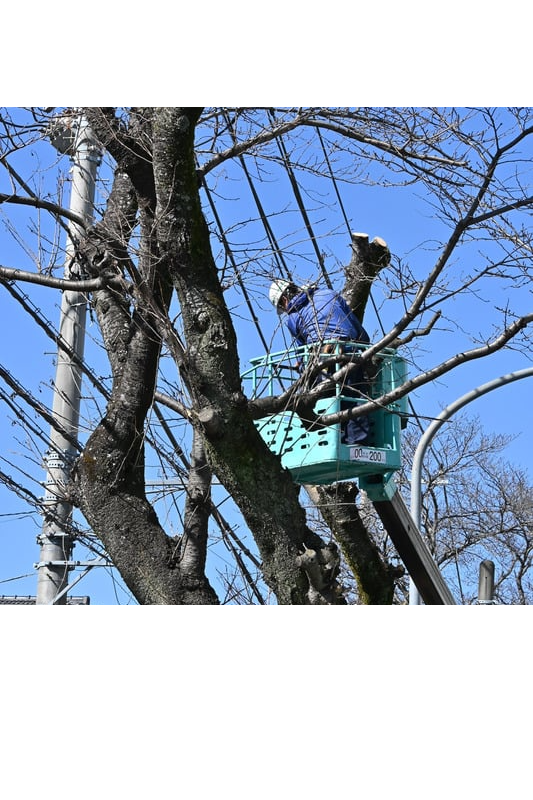
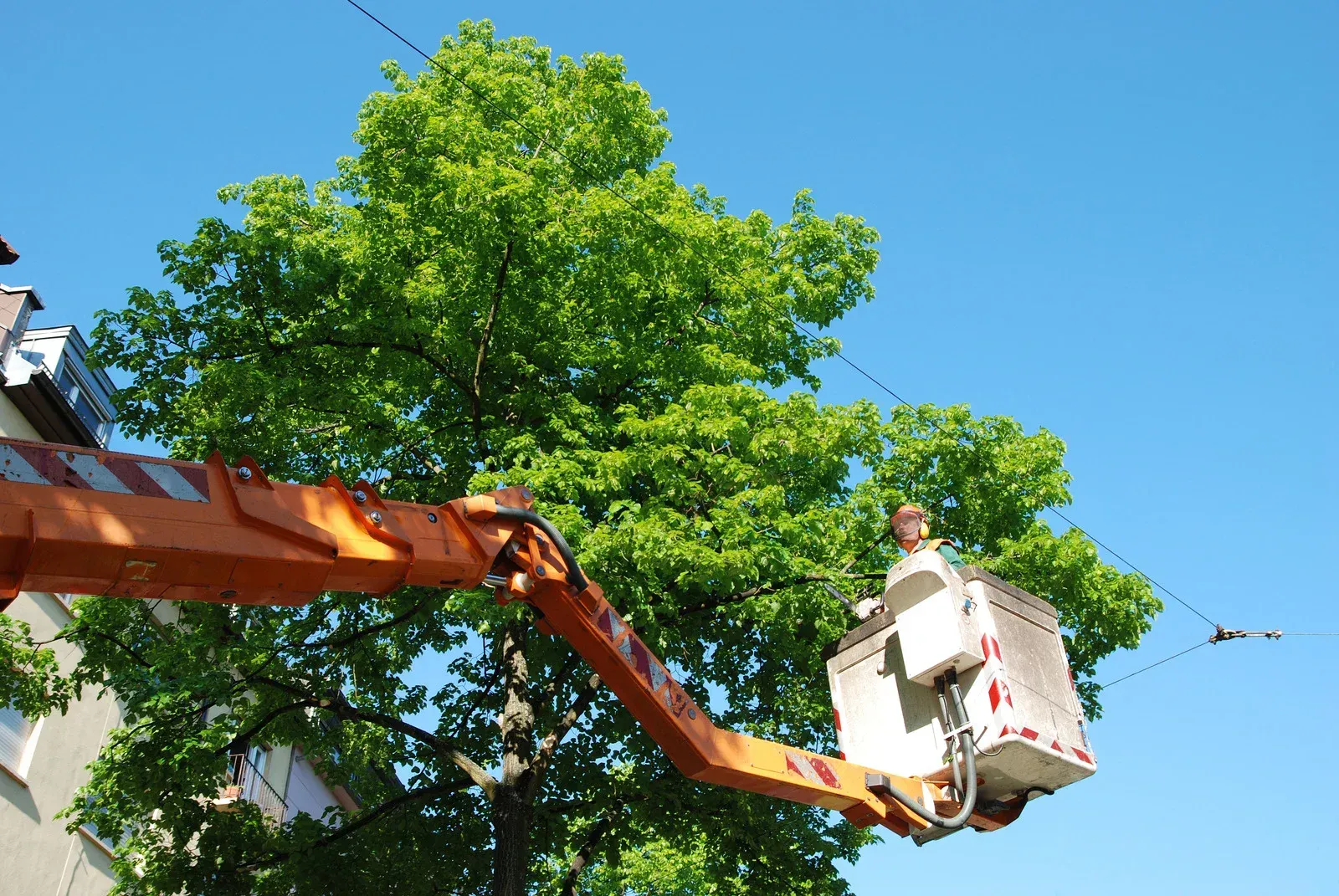
Tree trimming focuses on selectively cutting branches to improve the tree's health, shape, safety, or appearance. The tree remains in place and continues to grow.
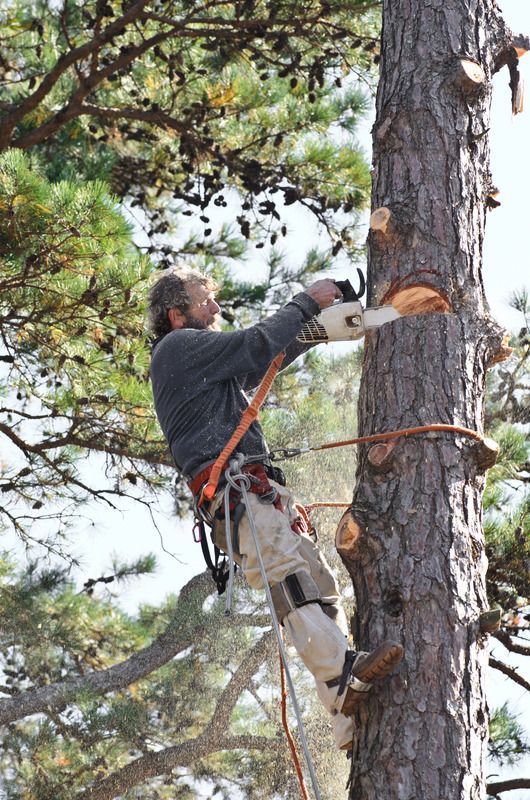
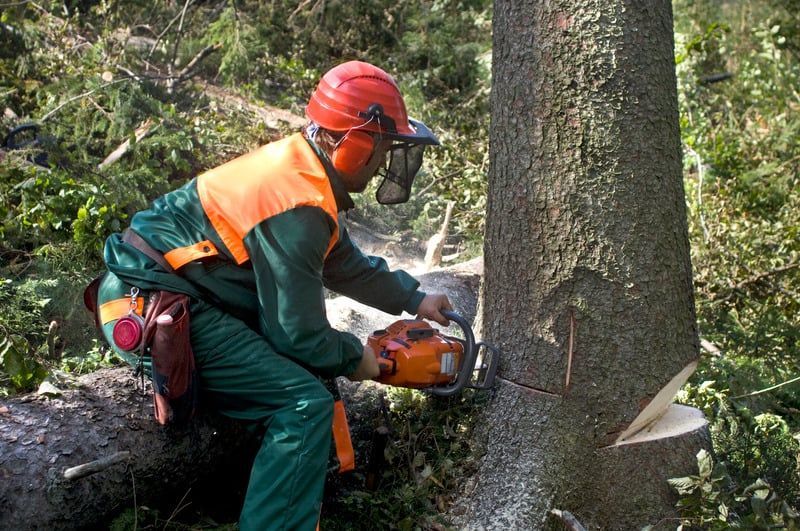
Tree removal involves taking the entire tree down, including the trunk. Removal is typically the last resort when a tree is dead, dying, hazardous, or causing problems that can't be solved any other way.
The right choice depends on whether the issue can be corrected through pruning, or whether the tree itself has become the problem.
When Tree Trimming Is the Right Choice
In most cases, a tree with manageable issues is better off being trimmed than removed. Trimming is faster, less expensive, and preserves the benefits a mature tree provides—shade, curb appeal, and property value.
Tree trimming is usually the right call when:
The Tree Is Healthy Overall
If the trunk is solid, the roots are stable, and the majority of the canopy is alive and thriving, the tree is worth keeping. Localized issues like dead branches, overgrowth, or rubbing limbs can be corrected with proper pruning.
Only Certain Branches Are Problematic
A few dead, damaged, or overgrown limbs don't mean the whole tree needs to come down. Trimming removes the problem branches while keeping the rest of the tree intact and healthy.
The Tree Is Growing Too Close to Structures
When branches start touching your roof, hanging over power lines, or scraping against siding, trimming can solve the problem without removal. Crown raising and selective pruning create the clearance you need.
You Want to Improve Tree Health
Routine trimming removes deadwood, improves airflow, increases sunlight penetration, and helps trees resist disease. For Jonesboro's humid climate, regular maintenance trimming is one of the best things you can do for tree health.
You're Preparing for Storm Season
Strategic canopy thinning reduces wind resistance and helps trees withstand high winds. This is preventative care that significantly reduces the risk of storm damage.
The Tree Is Young and Developing
Structural pruning early in a tree's life shapes it for long-term stability. Trees pruned correctly when young develop stronger frameworks and require less corrective work later.
When Tree Removal Is the Right Choice
Some trees simply can't be saved—or shouldn't be. Removing a tree is a bigger decision, but in the right circumstances, it's the safest and most practical option.
Tree removal is usually the right call when:
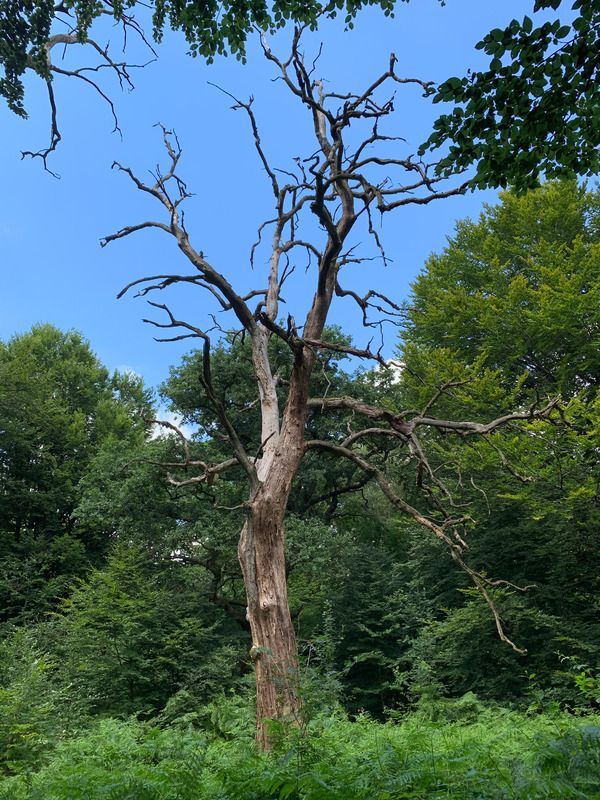
The Tree Is Dead or Mostly Dead
A dead tree is a hazard, not an asset. Dead wood becomes brittle, branches break unpredictably, and the entire tree can fall without warning. Once a tree has died, no amount of trimming will bring it back.
Signs a tree is dead or dying include:
- No leaves during the growing season
- Bark peeling off in large sections
- Brittle branches that snap easily
- Mushrooms or fungal growth at the base
- A hollow or decaying trunk
The Trunk Is Cracked, Split, or Hollow
The trunk is the structural foundation of the tree. Once it's seriously compromised, the entire tree is at risk of failing. Vertical cracks, deep splits, and large hollows often indicate a tree that needs to come down.
The Tree Is Leaning Dangerously
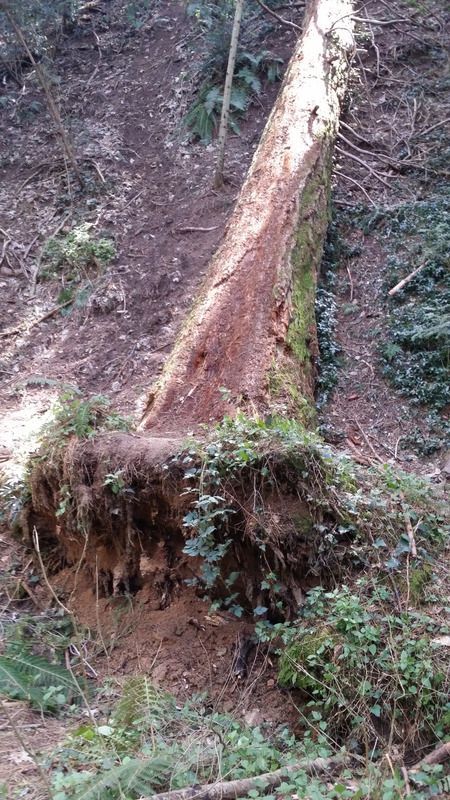
A sudden or worsening lean—especially after a storm or heavy rain—usually means root failure. Once the root system is compromised, the tree can't recover. Removal is the safest option, especially when the tree is leaning toward your home, driveway, or power lines.
Major Roots Are Damaged or Decayed
Exposed, rotting, or damaged roots threaten the tree's stability. If you notice mushrooms near the base, soft soil, or sinkholes around the tree, the root system may be failing. Trees with serious root damage rarely recover and pose a falling risk.
The Tree Is Too Close to Your Home
Some trees are simply in the wrong place. If the tree is growing directly against your foundation, lifting your driveway, or threatening underground utilities, removal may be the only long-term solution. Trimming doesn't address the root system, which is often the real problem.
More Than 50% of the Tree Is Damaged
When a tree has suffered major damage—from storms, lightning, disease, or pests—and more than half of the canopy or trunk is affected, recovery is unlikely. Removing the tree before it fails on its own is the safer choice.
The Tree Has a History of Problems
Trees that repeatedly drop large limbs, develop disease, or show ongoing structural issues are telling you something. Continuous corrective work adds up over time, and in many cases removal is more cost-effective in the long run.
Construction or Landscaping Plans
Sometimes removal is part of a larger project. If you're adding an addition, building a new driveway, or redesigning your landscape, certain trees may need to come down to make room.
The Gray Area: When It's Not So Clear
Many situations fall somewhere in between. Maybe the tree has some damage but isn't dead. Maybe it's leaning slightly but seems stable. Maybe one major limb is rotted but the rest of the tree looks fine.
These are the cases where a professional assessment is essential. A certified arborist can evaluate:
- The overall health and structural integrity
- The percentage of live versus dead wood
- Root system stability
- Disease or pest presence
- Risk level based on location and surroundings
Don't rely on guesswork for trees in the gray area. An expert eye can spot problems—and possibilities—that aren't obvious to homeowners.
Cost Comparison: Trimming vs. Removal
Cost often plays a role in the decision. Here's a general comparison of what to expect in the Jonesboro area.
Tree trimming typically runs:
- Small trees: $100–$300
- Medium trees: $300–$600
- Large trees: $600–$1,200+
Tree removal typically runs:
- Small trees: $200–$500
- Medium trees: $500–$1,200
- Large trees: $1,200–$2,500+
Removal is almost always more expensive than trimming because it involves more time, more equipment, and more debris hauling. If trimming can solve the problem, it's the more cost-effective choice.
That said, repeatedly trimming a tree that should be removed isn't actually saving money. Some homeowners spend hundreds on trimming year after year, only to eventually pay for removal anyway after the tree fails. If a professional recommends removal, that recommendation usually saves money in the long run.
Common Mistakes Homeowners Make
A few patterns come up again and again when homeowners try to make this decision on their own.
Trimming a tree that should be removed. Cutting back a dead or dying tree doesn't address the underlying problem. Worse, aggressive trimming on a weakened tree can accelerate its decline.
Topping a tree to "save" it. Topping—cutting the top off a tree to reduce its height—damages trees severely and creates new safety problems. It's almost never the right answer, even though some companies still offer it.
Removing a healthy tree out of fear. After a major storm, some homeowners panic and remove trees that are perfectly fine. A professional inspection can reassure you that a healthy tree is safe to keep.
Waiting too long. Putting off a removal that needs to happen increases the risk of a tree falling on its own. Emergency removal after a tree falls is far more expensive than scheduled removal.
DIY trimming or removal. Both are dangerous. Trimming requires knowledge of proper cuts and timing. Removal requires equipment, rigging skills, and experience. Either way, it's not worth the risk.
How to Get an Honest Recommendation
Some tree services have a bias toward whichever option pays more—usually removal. Others reflexively recommend trimming even when removal is clearly the right choice. To get an honest assessment:
- Get evaluations from at least two reputable, local companies
- Ask the technician to explain their reasoning
- Request a written quote with the recommended scope of work
- Look for companies with certified arborists on staff
- Check that the company is properly licensed and insured
A trustworthy tree service in Jonesboro will give you a straight answer—not just whatever costs more. They'll explain why trimming or removal is the right call, what the risks are, and what to expect either way.
Questions to Ask Yourself
When trying to decide, run through these questions:
- Is the tree alive and mostly healthy?
- Are the problem areas limited to specific branches, or is the whole tree affected?
- Is the trunk solid, or are there cracks, splits, or hollows?
- Are the roots stable, or is the tree leaning?
- Has the tree caused repeated problems over the years?
- Is the tree in a safe location, or is it threatening structures and people?
- What does a qualified arborist recommend?
If most of your answers point to a healthy, manageable tree with localized issues, trimming is probably the right call. If the answers point to widespread damage, instability, or repeated problems, removal is likely the safer choice.
How Jonesboro Tree Service Pros Can Help
Choosing between trimming and removal isn't always easy, especially when you're not sure what you're looking at. That's where a professional assessment makes all the difference.
At Jonesboro Tree Service Pros, we provide honest, experienced recommendations based on what's best for your tree, your property, and your budget. Our services include:
- Free on-site evaluations to assess tree health and risk
- Expert tree trimming that promotes long-term tree health
- Safe, professional tree removal when removal is the right call
- Storm damage assessments for trees affected by severe weather
- Stump grinding to finish the job after removal
- Emergency services for hazardous or fallen trees
We'll walk you through your options, explain our recommendations clearly, and give you the information you need to make a confident decision.
Final Thoughts
Tree trimming and tree removal both have their place. The right choice depends on the condition of the tree, the risks it poses, and your long-term plans for your property. In most cases, healthy trees with localized issues should be trimmed, while dead, dying, or hazardous trees need to be removed.
The most important step is getting a professional assessment from someone who knows local trees and conditions. A qualified arborist can spot issues you might miss and recommend the right approach—saving you from making the wrong call.
If you're trying to decide what to do about a tree on your Jonesboro property, contact Jonesboro Tree Service Pros for a free evaluation. We'll inspect the tree, explain your options, and help you make the right decision—whether that means a careful trim or a complete removal.